145+ Hard Skills for Your Resume in 2026 [by Field]
145+ hard skills for your resume, organized by field, how they differ from soft skills, proof formulas, and how ATS keyword matching really works.


Novoresume got people hired at
























What Are Hard Skills?
145+ Hard Skills by Field
#1. Business, Admin, and Operations
- Data entry
- Bookkeeping
- Payroll processing
- Scheduling and calendar management
- Travel coordination
- Invoicing
- Records management
- Minute-taking
- Office software (Excel, Google Workspace)
- CRM administration
- Procurement
- Inventory management
#2. Finance and Accounting
- Financial modelling
- Budgeting and forecasting
- Accounts payable and receivable
- GAAP compliance
- Tax preparation
- QuickBooks and Xero
- SAP
- Auditing
- Cost accounting
- Financial reporting
- Risk assessment
- Advanced Excel (formulas, pivot tables)
#3. Marketing and Sales
- SEO and keyword research
- Google Ads
- Meta Ads
- Email marketing (Mailchimp, Klaviyo)
- Marketing analytics (GA4)
- Copywriting
- A/B testing
- CRM (Salesforce, HubSpot)
- Lead qualification
- Cold outreach
- Contract negotiation
- E-commerce platforms (Shopify)
#4. Data and Analytics
- SQL
- Python (pandas)
- R
- Tableau
- Power BI
- Looker Studio
- Excel statistical analysis
- Data cleaning
- Dashboard design
- Forecasting models
- Survey design
- ETL basics
#5. IT and Engineering
- Programming languages (JavaScript, Python, Java, C#)
- Cloud platforms (AWS, Azure, GCP)
- Networking
- Cybersecurity fundamentals
- Version control (Git)
- Database administration
- Hardware troubleshooting
- CAD (AutoCAD, SolidWorks)
- Systems administration
- QA testing
- Scripting (PowerShell, Bash)
- Backup and disaster recovery
#6. Healthcare
- Phlebotomy
- Patient charting (EHR, Epic)
- Vital signs monitoring
- Medication administration
- CPR and BLS certification
- Medical coding (ICD-10)
- HIPAA compliance
- Injections and IV placement
- Wound care
- Lab specimen handling
- Telemetry monitoring
- Infection control protocols
#7. Skilled Trades and Logistics
- Forklift operation (certified)
- Blueprint reading
- TIG and MIG welding
- Electrical wiring
- HVAC installation
- Plumbing
- Equipment maintenance
- CDL driving
- Route planning
- OSHA compliance
- Quality inspection
- Warehouse management systems
#8. Customer Service and Retail
- POS operation (Square, Toast)
- Ticketing systems (Zendesk)
- Live chat support
- Returns and exchanges processing
- Cash handling and reconciliation
- Loss prevention
- Merchandising and planograms
- Order management
- Upselling and cross-selling
- Customer database management
#9. Hospitality and Food Service
- Food safety certification (ServSafe)
- Barista and espresso calibration
- Bartending and mixology
- Reservation systems (OpenTable)
- Banquet and event setup
- Menu costing
- Kitchen line operation
- Wine service
- Housekeeping standards
- Event coordination
#10. Education and Training
- Curriculum design
- Lesson planning
- Learning management systems (Canvas, Moodle)
- Classroom technology (SMART Board)
- Student assessment design
- IEP development
- Instructional design (Articulate, Captivate)
- Tutoring and test prep
- Gradebook systems (PowerSchool)
- Exam proctoring
#11. Creative and Content
- Adobe Creative Suite (Photoshop, Illustrator, InDesign)
- Figma
- Video editing (Premiere, CapCut)
- Photography
- Motion graphics
- Copyediting
- Content management (WordPress)
- Typography
- Brand style guides
- Illustration
- Audio editing and podcast production
#12. Legal and Compliance
- Legal research (Westlaw, LexisNexis)
- Contract drafting
- E-discovery
- Case management software
- Regulatory filing
- Compliance auditing
- Notary certification
- Docketing
- Legal citation formatting
- Deposition summarization
#13. Languages and Documentation
- Foreign languages with level (Spanish, C1)
- Translation
- Interpretation
- Transcription
- Technical writing
- Grant writing
- Localization
- Public-record research
- Typing speed (with WPM)
- Proofreading
- SOP documentation
Hard Skills Examples on Resume
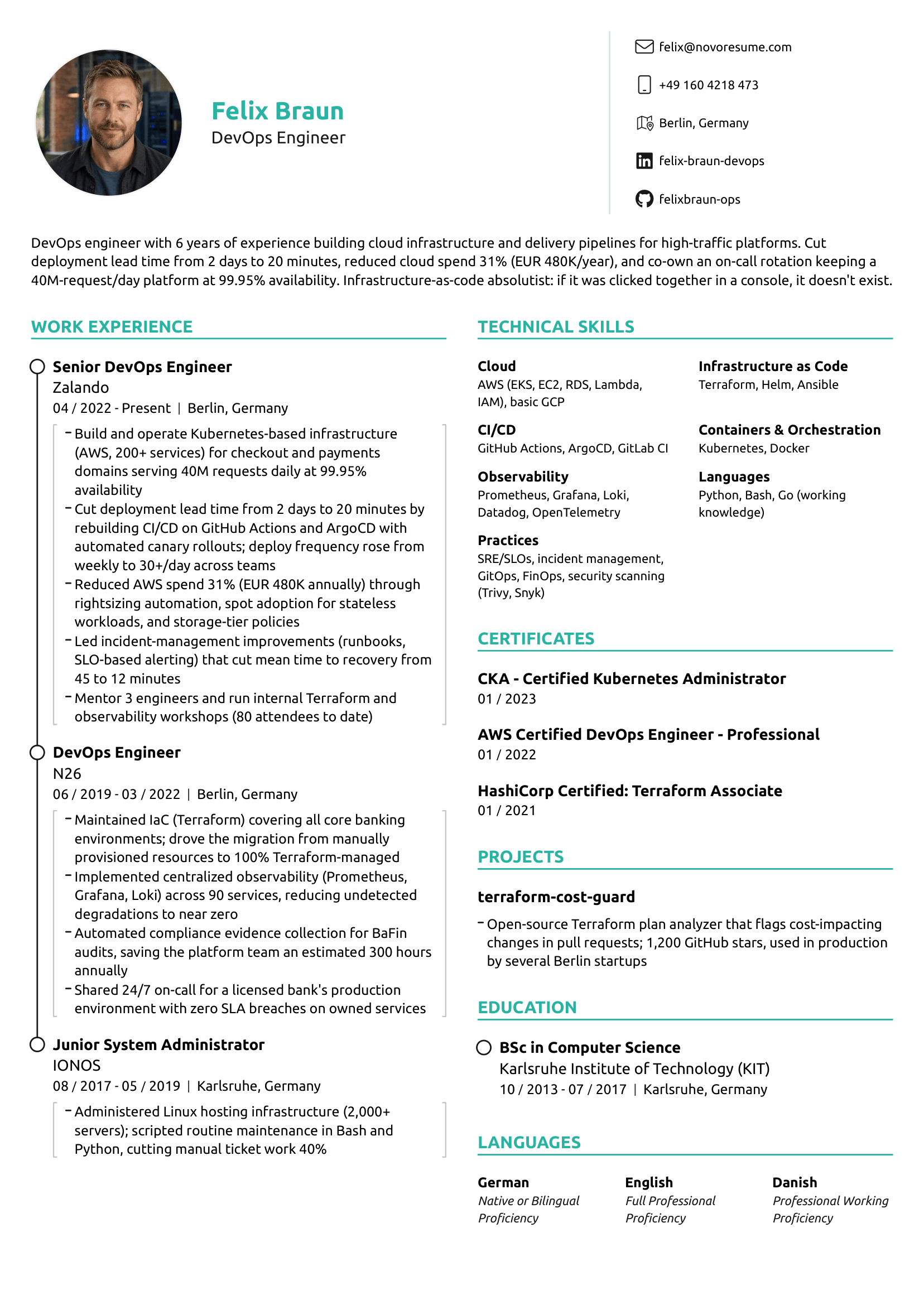
How to List Hard Skills So They Actually Match the Job Description
#1. Mirror the Posting's Exact Words
#2. Prove Your Top Three in Bullets
Weak
- Skills: Financial modeling, Excel, forecasting
Strong:
- The skills line stays, plus the bullet: "Built the 3-year revenue model in Excel that priced our Series A, within 4% of actual year-one results."
#3. Only List What You Can Demo
Hard Skills vs Soft Skills on a Resume
Hard Skills vs Soft Skills on a Resume
Resume Builder
Our free resume builder keeps a clean, tailored skills section for every application. 79% of our hired users had an offer within three months of rebuilding their resume.
Update Your ResumeFrequently Asked Questions about Hard Skills
Key Takeaways
- Hard skills are testable; list the ones this posting names, in the posting's own words.
- 8-12 matched skills beat an alphabetical inventory of everything you've touched.
- Prove your top three with quantified bullets; the rest can sit in the skills section.
- Attach certifications in brackets; they turn keywords into verified facts.
- Never list what you can't demo, because hard skills are the ones that get tested.
 Add Novorésumé as a preferred source on Google
Get more resume writing tips, career insights, and job search advice in your personalized Google search results.
Related posts

Technical skills for your resume across 17 fields, from Epic and CAD to GA4 and Python, with a copyable skills-block format and honest skill tiers.

40+ resume objective examples for students, career changers, and 22 situations, with the 3-part formula and HR survey data on when objectives actually help.

Resume summary examples across 26 fields, every one quantified, plus the 4-part formula, the no-experience version, and what recruiters scan first.