Computer Skills on a Resume: 75+ Examples for 2026
75+ computer skills for your resume, organized by category and role, with proficiency wording, ATS keyword tactics, and what still counts as basic in 2026.


Novoresume got people hired at
























What Are Computer Skills?
75+ Computer Skills for Your Resume, by Category
#1. Office and Productivity
- Microsoft Word
- Excel
- PowerPoint
- Outlook
- Google Docs
- Google Sheets
- Google Slides
- OneNote
- Calendar management (Google or Outlook)
- PDF editing (Adobe Acrobat)
#2. Spreadsheets and Data Work
- Pivot tables
- VLOOKUP and XLOOKUP
- Conditional formatting
- Data validation
- Macros and VBA
- Google Sheets formulas
- Power Query
- Data cleaning
- Chart building
#3. Communication and Collaboration
- Slack
- Microsoft Teams
- Zoom
- Google Meet
- Confluence
- Notion
- SharePoint
- Loom
- Miro
#4. Project and Task Management
- Asana
- Trello
- Jira
- Monday.com
- ClickUp
- Basecamp
- MS Project
- Kanban workflows
- Gantt planning
#5. AI Tools
- ChatGPT and prompt drafting
- Claude
- Microsoft Copilot
- Gemini
- AI-assisted research
- AI content editing and fact-checking
- Workflow automation with AI (Zapier AI, custom GPTs)
#6. Data Analysis and Databases
- SQL
- Tableau
- Power BI
- Looker Studio
- Google Analytics
- Excel statistical functions
- R (basics)
- Python for data (pandas)
- Database entry and querying (Access, Airtable)
#7. Design and Content
- Canva
- Adobe Photoshop
- Illustrator
- InDesign
- Figma
- Premiere Pro
- CapCut
- WordPress
- Basic HTML and CSS
#8. Marketing and CRM
- Salesforce
- HubSpot
- Mailchimp
- Google Ads
- Meta Ads Manager
- SEO tools (Search Console, Ahrefs, Semrush)
- Hootsuite and Buffer
- Shopify
#9. Accounting and Operations
- QuickBooks
- Xero
- SAP
- Oracle NetSuite
- ADP
- POS systems
- Inventory management software
- E-signature tools (DocuSign)
#10. IT and Technical Foundations
- Operating systems (Windows, macOS, Linux basics)
- Hardware troubleshooting
- Software installation and updates
- Cloud storage (Drive, Dropbox, OneDrive)
- VPN and remote-desktop tools
- Password managers and 2FA
- Basic networking
- Ticketing systems (Zendesk, ServiceNow)
Computer Skills on Resume Visual Example
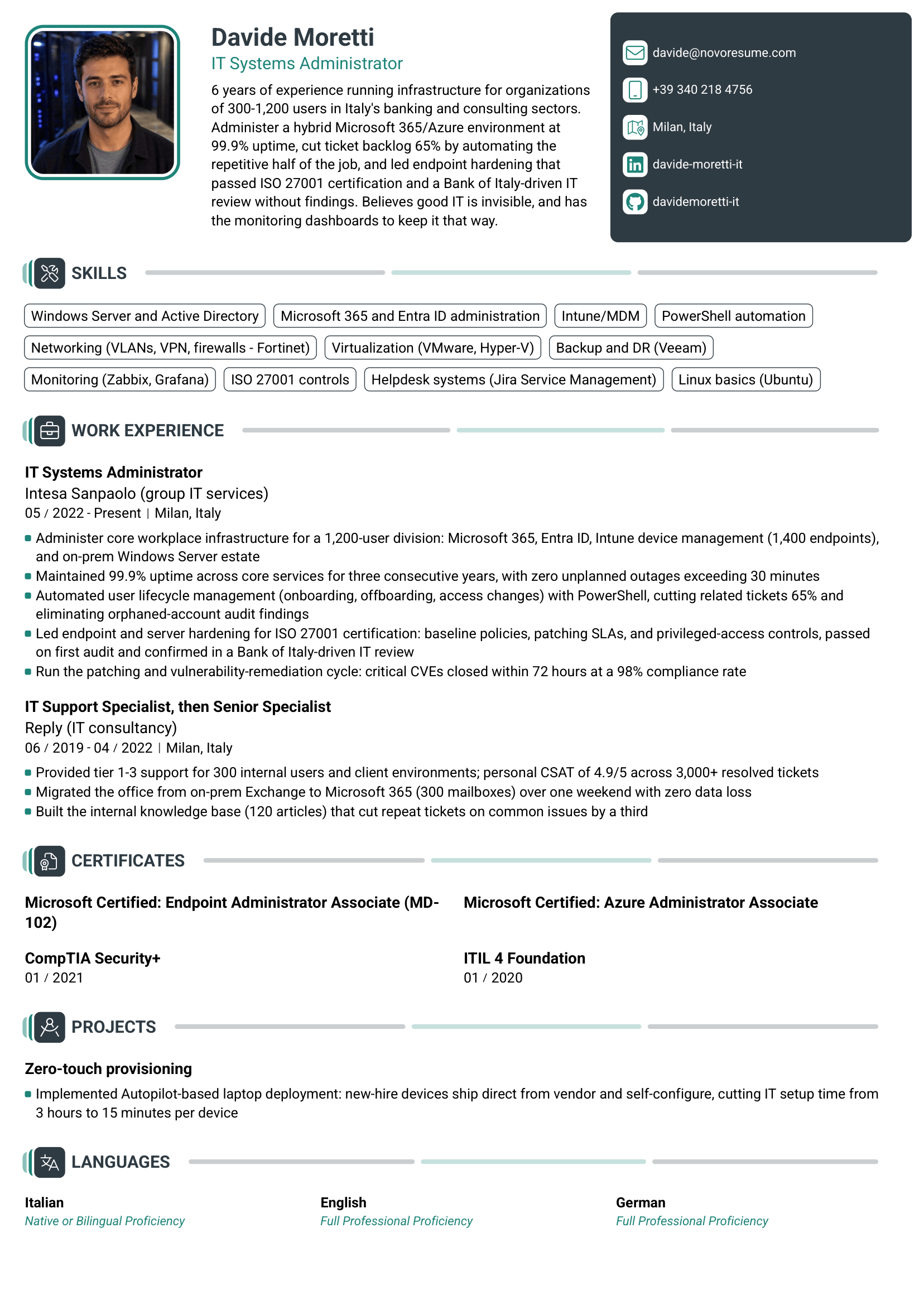
How to List Computer Skills on Your Resume in 3 Steps
#1. Pull the Keywords From the Job Ad
#2. Split Them Between the Skills Section and Your Bullets
Pros
- Strong: Skills: Excel (pivot tables, XLOOKUP, dashboards) - and in experience: "Built an Excel dashboard tracking 14 supplier KPIs, cutting monthly reporting from two days to three hours."
Cons
- Weak: Skills: Microsoft Office, Excel, computers
#3. State Your Level Honestly
List AI tools as their own line, not hidden inside "other." A line like "AI tools: ChatGPT, Copilot, prompt-based data cleaning" is currently rare enough to register with recruiters, and it converts a suspicion ("did AI write this resume?") into a competency ("this person manages AI"). Just be ready to demo it, because interviewers now ask.
What Counts as Basic Computer Skills in 2026?
- Google Workspace (Docs, Sheets, Gmail, Calendar) for daily workflows
- Data entry at 60 WPM with 99% accuracy
- Microsoft Excel: sorting, filtering, SUM and AVERAGE formulas
- Zoom and Teams: scheduling, hosting, screen-sharing
- Shared-drive file management (Drive, OneDrive)
- Quick adoption of new platforms (learned our POS system in one shift)
Tailor the List to the Job, Not Your Autobiography
Do:
- Mirror the ad's exact tool names
- Name sub-skills (pivot tables, not just Excel)
- Give AI tools their own line
- Keep 8-12, matched to this job
Don't:
- Write "Microsoft Office" as your headline skill in 2026
- Use skill bars
- List tools you can't demo
- Bury your Excel wins in the skills section instead of a bullet
Resume Builder
Our free resume builder formats your skills section cleanly and keeps every version tailored to the job. 79% of our hired users had an offer within three months of rebuilding their resume.
Create Your ResumeFAQs on Computer Skills
Key Takeaways
- 92% of jobs require digital skills, so the question is which to list, not whether.
- Pull exact tool names from the job ad; ATS software matches strings, not synonyms.
- Skills section for scanning, bullets for proof, one quantified win per headline tool.
- Use the familiar/proficient/advanced/expert ladder and skip skill bars.
- Give AI tools their own line, and only list what you can demo unassisted.
 Add Novorésumé as a preferred source on Google
Get more resume writing tips, career insights, and job search advice in your personalized Google search results.
Related posts
Technical skills for your resume across 17 fields, from Epic and CAD to GA4 and Python, with a copyable skills-block format and honest skill tiers.

40+ resume objective examples for students, career changers, and 22 situations, with the 3-part formula and HR survey data on when objectives actually help.

Resume summary examples across 26 fields, every one quantified, plus the 4-part formula, the no-experience version, and what recruiters scan first.