150+ Technical Skills to Put on Your Resume in 2026
Technical skills for your resume across 17 fields, from Epic and CAD to GA4 and Python, with a copyable skills-block format and honest skill tiers.


Novoresume got people hired at
























What Are Technical Skills?
How to Format Technical Skills on a Resume
TECHNICAL SKILLS (Clinical Resume)
- Clinical systems: Epic (advanced, 6 yrs), Cerner (proficient), PACS
- Patient tech: Infusion pumps, telemetry monitoring, POC testing
- Documentation: ICD-10 coding (familiar), HIPAA-compliant charting
- Currently learning: Epic Willow (pharmacy module)
TECHNICAL SKILLS (Data resume)
- Languages: Python (advanced), SQL (advanced), TypeScript (proficient)
- Data: pandas, dbt, BigQuery, Tableau
- Cloud: AWS (Lambda, S3), Docker, GitHub Actions
- Currently learning: Kubernetes (homelab cluster since March)
- Group by category, not alphabet. Categories communicate seniority; a recruiter reads the row labels before the tools.
- Tier your proficiency honestly. Advanced means you could be tested on it today. Proficient means daily working use. Familiar means you've done something real but small with it. Anything below familiar goes in "currently learning" or nowhere.
- Mirror the posting's exact names. The applicant tracking systems that 82% of HR professionals screen with, per our Hiring Landscape survey of 200+ HR pros, match strings: "GA4" and "Google Analytics 4" are different keywords, and so are "Epic" and "EpicCare." Take the ad's spelling the same way you would with any resume keyword.
- Prove the top two in bullets. "Cut chart-closure time 22% by building Epic SmartPhrases for the unit" outranks any skills-line mention of Epic, because impactful resume bullets pair the tool with a result a recruiter can measure instead of just naming it.
Weak Technical Skills
- Skills: GA4, GTM, Ahrefs, Semrush, HubSpot, Marketo, Klaviyo, Meta Ads, Google Ads, Optimizely, Hotjar, WordPress
Strong Technical Skills
- Analytics: GA4 (advanced, 4 yrs), Tag Manager (proficient), Looker Studio (familiar, 3 client dashboards)
The AI-Dependency Question
Put your certifications next to the skill, not in a separate graveyard section at the bottom: "Epic (credentialed, 2025)," "AWS (Solutions Architect Associate, 2025)," "EPA 608 (Universal)." A recruiter scanning the skills block should hit the verification in the same second they hit the claim. For technical roles in any field, I would trade almost any resume real estate for that pairing.
How Many Technical Skills Should You List?
Examples of Technical Skills Section on Real Resume
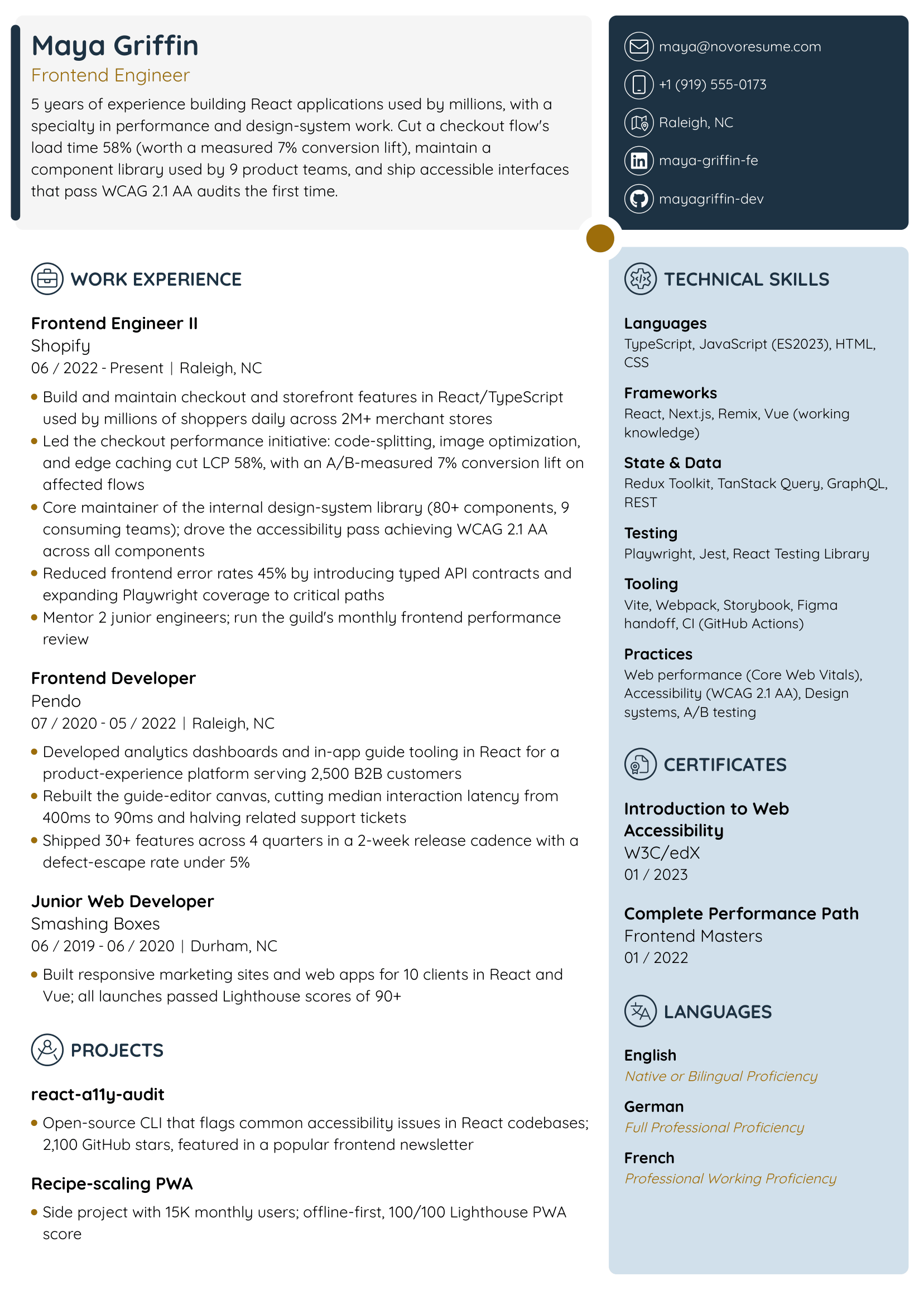
150+ Technical Skills by Field
#1. Healthcare and Lab
- EHR systems (Epic, Cerner)
- Medical imaging (PACS)
- LIMS
- PCR and assay techniques
- Sterile technique
- Medical device operation
- Infusion pump operation
- Telemetry monitoring
- Point-of-care testing
- Telehealth platforms
- ICD-10 and CPT coding
#2. Engineering and Manufacturing
- AutoCAD
- SolidWorks
- Revit
- MATLAB
- PLC programming
- CNC operation
- 3D printing and rapid prototyping
- GD&T
- FEA analysis
- Lean and Six Sigma
- P&ID reading
- Quality systems (ISO 9001)
#3. Skilled Trades and Field Service
- Blueprint and schematic reading
- HVAC diagnostics
- Electrical troubleshooting (multimeter, insulation testing)
- Welding processes (MIG, TIG, stick)
- Hydraulic and pneumatic systems
- Preventive maintenance planning (CMMS)
- Forklift and aerial lift operation (OSHA-certified)
- Pipefitting and brazing
- Equipment calibration
- Field service platforms (ServiceTitan)
#4. Finance and Business
- Advanced Excel (Power Query, VBA)
- Financial modelling
- Bloomberg Terminal
- SAP
- Oracle NetSuite
- Anaplan
- Power BI for finance
- SQL for reporting
- Alteryx
- Risk modelling
#5. Marketing and E-commerce
- GA4
- Google Tag Manager
- SEO tooling (Search Console, Ahrefs, Semrush)
- Google Ads
- Meta Ads Manager
- Marketing automation (HubSpot, Marketo)
- Email platforms (Klaviyo)
- Attribution modelling
- Landing page testing (Optimizely)
- Shopify administration
#6. Education and Training
- LMS administration (Canvas, Moodle, Google Classroom)
- Student information systems (PowerSchool)
- Assessment platforms (ExamSoft, Kahoot)
- Instructional design tools (Articulate, Captivate)
- Virtual classroom delivery (Zoom, Teams)
- Accessibility and accommodations tech (screen readers, captioning)
- Plagiarism and proctoring tools (Turnitin)
- Classroom AV and smartboards
#7. Retail and Hospitality Operations
- POS systems (Square, Toast, Lightspeed)
- Inventory management (WMS, RFID scanning)
- Property management systems (Opera, Cloudbeds)
- Reservation platforms (OpenTable)
- Merchandising and planogram software
- Payment processing and PCI basics
- Scheduling software (Deputy, 7shifts)
- Loss-prevention systems
#8. Admin and Office Systems
- Advanced Excel (pivot tables, XLOOKUP)
- Calendar and travel management (Outlook, Concur)
- Document management (SharePoint, DocuSign)
- CRM upkeep (Salesforce, HubSpot)
- Expense and invoicing systems (QuickBooks, Expensify)
- Mail-merge and template automation
- Records retention systems
- Videoconferencing and office AV setup
#9. Data and Analytics
- SQL
- pandas and NumPy
- R
- Machine learning (scikit-learn)
- Statistical modelling
- A/B test design
- Tableau
- Power BI
- Looker
- BigQuery
- Snowflake
- dbt
- Airflow
- Data storytelling
#10. Programming and Development
- Python
- JavaScript and TypeScript
- Java
- C#
- C++
- Go
- Rust
- Swift and Kotlin (mobile)
- HTML and CSS
- React
- Node.js
- REST APIs
- GraphQL
- Git and GitHub
- Unit testing
- Agile and Scrum workflow
#11. Cloud and DevOps
- AWS (EC2, S3, Lambda)
- Microsoft Azure
- Google Cloud
- Docker
- Kubernetes
- Terraform
- Ansible
- CI/CD pipelines (GitHub Actions, Jenkins)
- Linux administration
- Monitoring (Datadog, Grafana)
- Serverless architecture
#12. IT Support and Systems
- Windows, macOS, and Linux administration
- Active Directory
- Microsoft 365 admin
- Mobile device management (Intune, Jamf)
- SSO configuration (Okta)
- Ticketing (Zendesk, ServiceNow)
- Hardware diagnostics
- Network troubleshooting (TCP/IP, DNS)
- VPN and endpoint management
- Backup and recovery
- Scripting (PowerShell, Bash)
#13. Cybersecurity
- Network security
- Penetration testing
- SIEM tools (Splunk)
- Vulnerability scanning
- Incident response
- Threat modeling
- Endpoint detection (EDR)
- Identity and access management
- Firewall configuration
- SOC 2 and ISO 27001 compliance
#14. AI and Automation
- Prompt engineering
- LLM API integration (Claude, GPT)
- AI-assisted coding (Copilot)
- Workflow automation (Zapier, Make, n8n)
- RAG basics
- Vector database basics
- AI output evaluation and fact-checking
- Chatbot configuration
- OCR and document AI
#15. Design and Media
- Figma
- Adobe Creative Suite
- After Effects
- Blender
- 3D modeling (Maya)
- Unity and Unreal basics
- Video pipelines (Premiere, DaVinci)
- Webflow and WordPress
- Design systems
- Accessibility testing (WCAG)
#16. Research and Science
- SPSS
- Stata
- LaTeX
- Literature databases (PubMed, Scopus)
- Citation managers (Zotero, EndNote)
- Electronic lab notebooks
- Chromatography (HPLC)
- Mass spectrometry
- Cell culture
- Statistical power analysis
#17. Product and Project
- Jira administration
- Roadmapping tools (Productboard)
- SQL for product analytics
- Amplitude and Mixpanel
- Session analytics (Hotjar)
- API literacy
- Feature flagging (LaunchDarkly)
- Confluence documentation
- Dashboarding (Metabase)
Resume Job Matcher
Not sure if you're a good fit for a job? Upload your resume and the job description - get an instant match score and a breakdown of exactly what's working, what's missing, and how to fix it.
Try for FREEFAQs About Technical Skills
- Every field has technical skills; name the systems, not the category ("Epic," not "medical software").
- Group skills by category with honest proficiency tiers; the row labels carry the seniority signal.
- Mirror the job ad's exact tool names for the ATS string match.
- Prove your top two skills with quantified bullets; the block gets you found, the bullets get you called.
- Label AI-assisted skills as such; the assessments that expose the gap are AI-free by design.
- Pair certifications inline with the skill they verify.
 Add Novorésumé as a preferred source on Google
Get more resume writing tips, career insights, and job search advice in your personalized Google search results.
Related posts

40+ resume objective examples for students, career changers, and 22 situations, with the 3-part formula and HR survey data on when objectives actually help.

Resume summary examples across 26 fields, every one quantified, plus the 4-part formula, the no-experience version, and what recruiters scan first.

145+ hard skills for your resume, organized by field, how they differ from soft skills, proof formulas, and how ATS keyword matching really works.