























How to Write a Tech Resume
A tech resume is structured around fast resume screens. A typical tech recruiter sees 50 to 200 resumes per role, scans each in under 20 seconds on the first pass, and decides whether to pull it for a closer read. The resume's job is to answer three questions in those 20 seconds: what's your stack, what scope have you operated at, and what's the quantified impact.
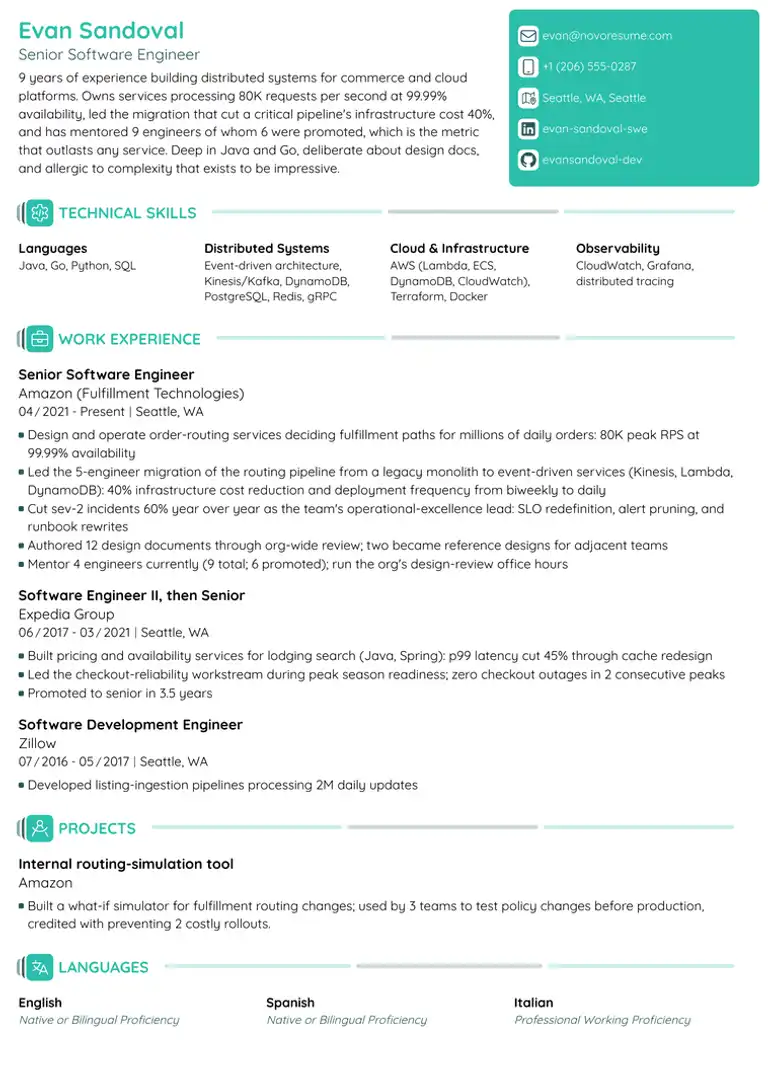
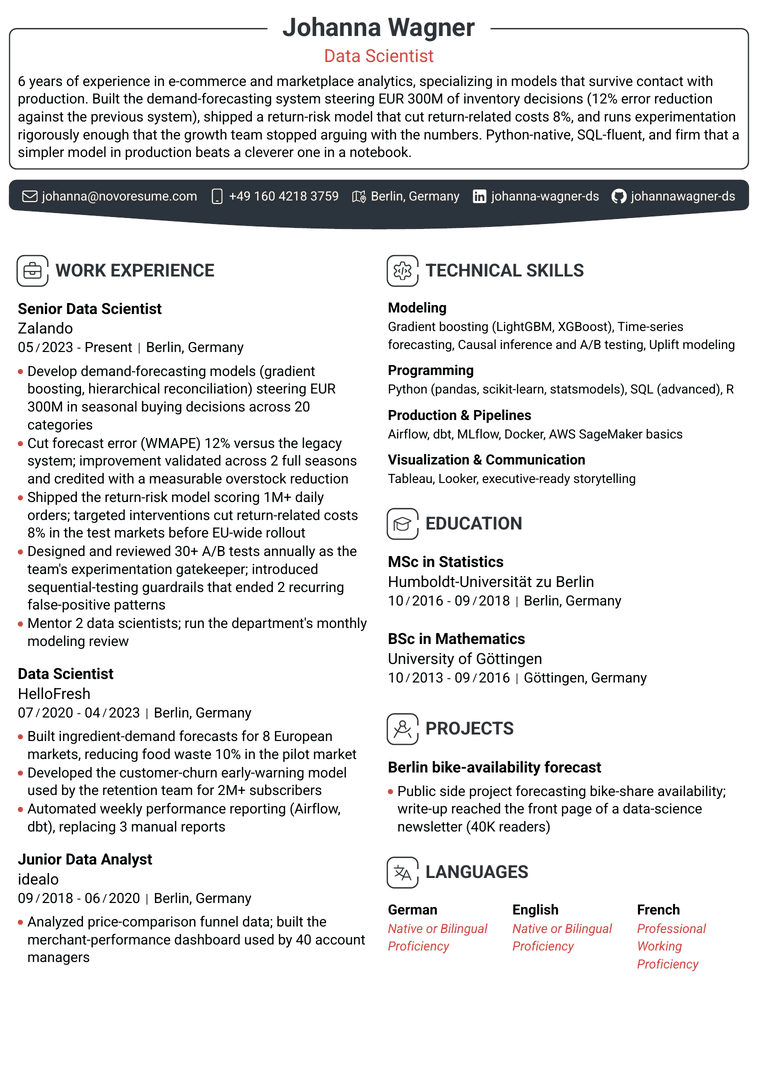
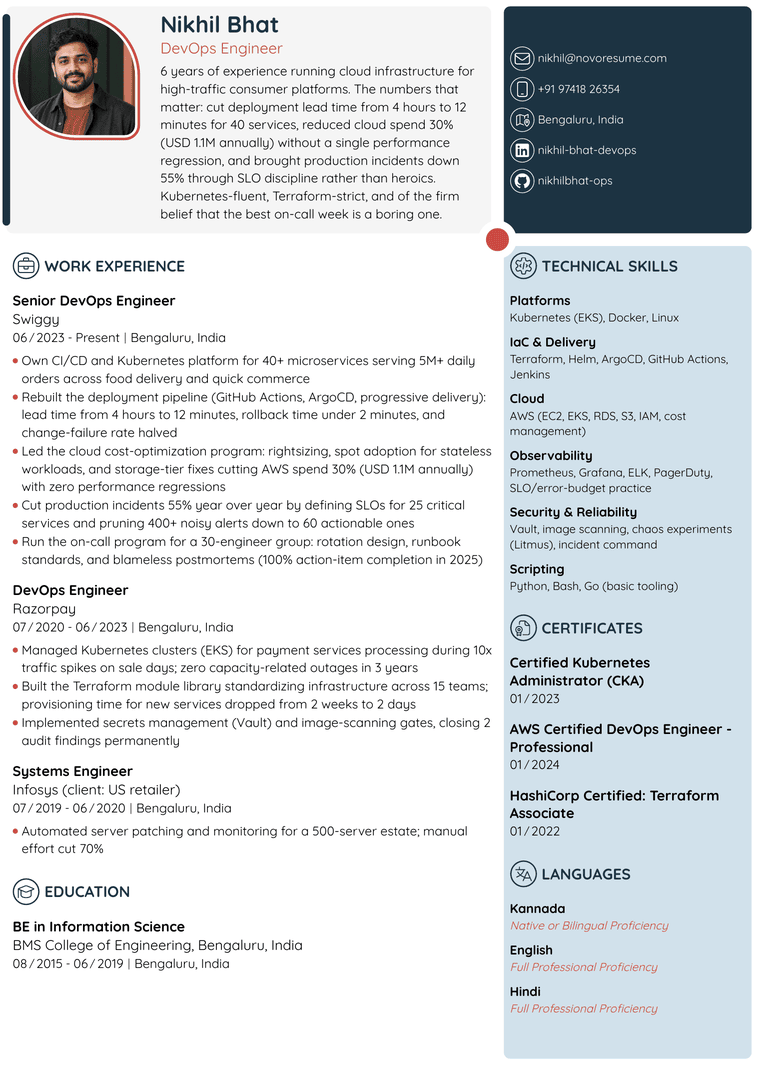
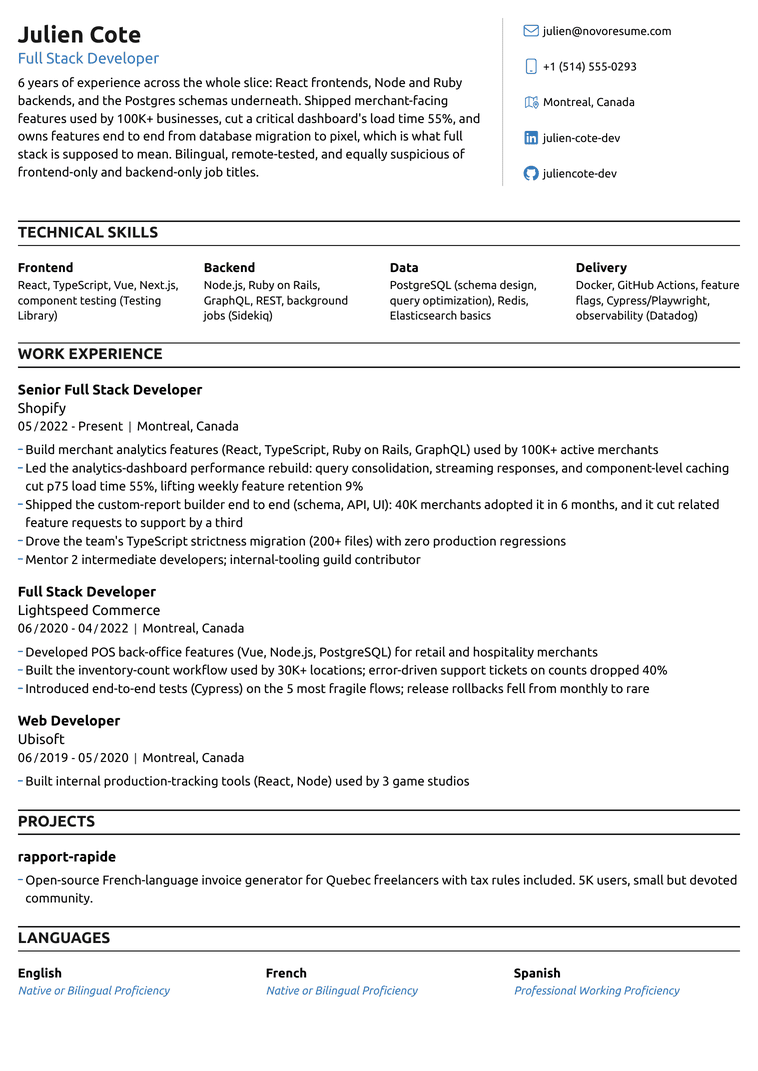
Start with the header. Name, contact, LinkedIn, GitHub URL, and personal site or portfolio link. The GitHub link belongs in the header, not buried in a sidebar. After the header, include a tight stack section near the top of the page, categorized by languages, frameworks, infrastructure, databases, and tools. For senior candidates, this section can be compressed; for junior and mid-career candidates, it carries significant weight.
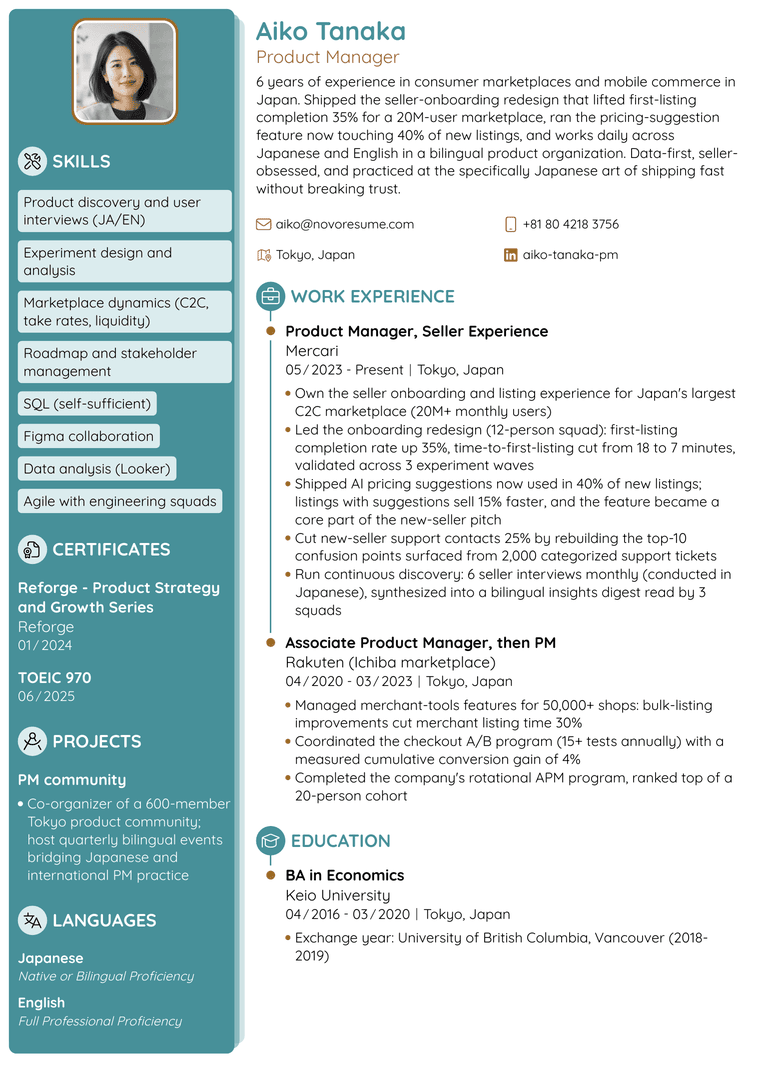
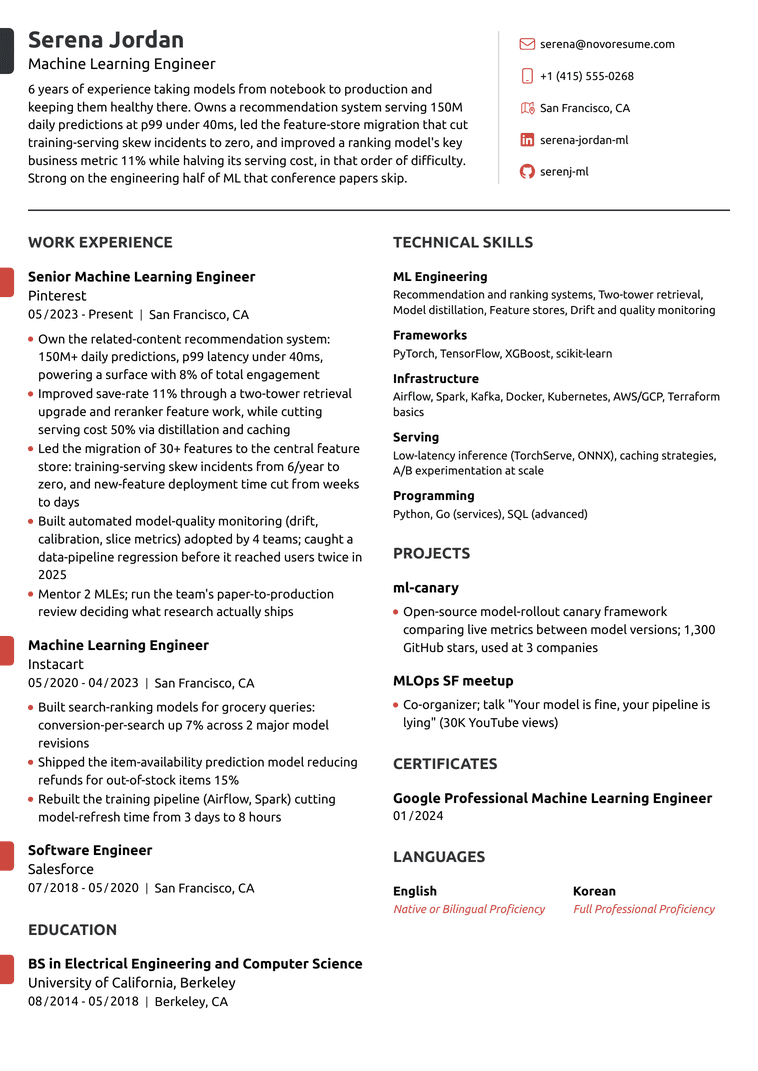
The work history takes most of the page. Each role gets company, title, location, dates, and three to five bullets. Bullets should quantify scope (users, latency, throughput, team size, cost) and impact. For junior candidates, a projects section between work history and education matters as much as the work history itself. Include 2-3 projects with descriptions of what you built, what tools you used, and the outcome. For senior candidates, projects mostly disappear unless you have substantial open source contributions.
One page for under ten years of experience. Two pages acceptable for senior IC and engineering management roles. Always PDF. Two-column layout is common in tech and parses well through modern ATS.