























How to Write an Education Resume
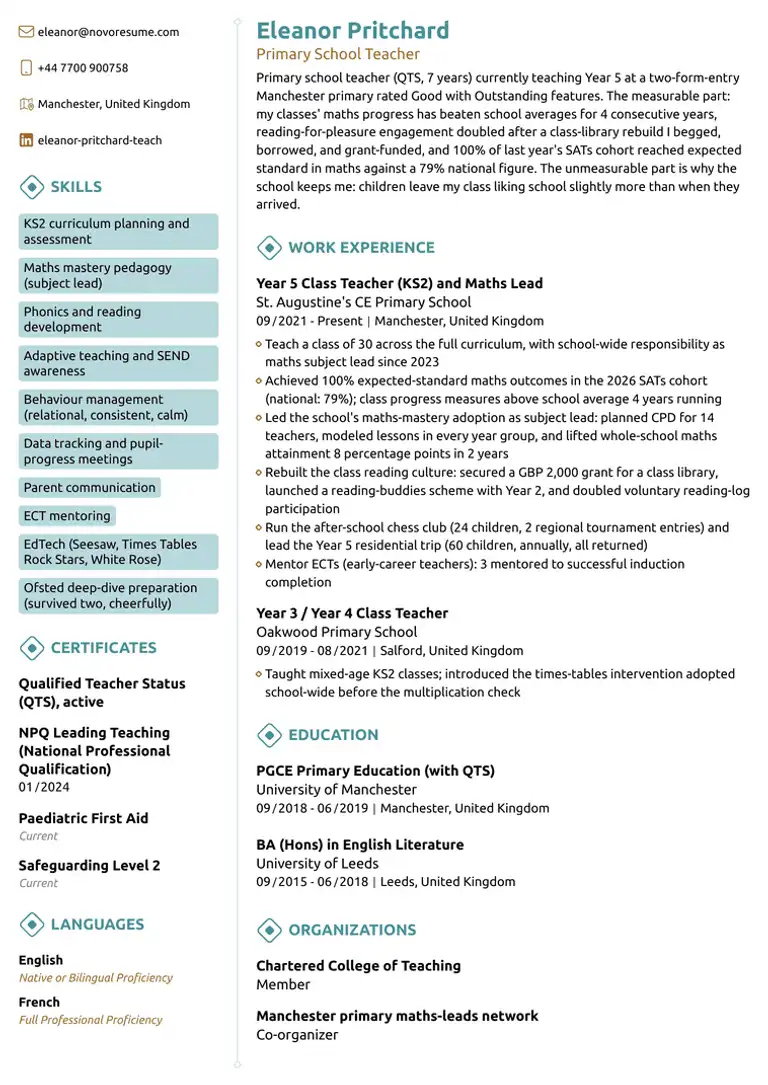
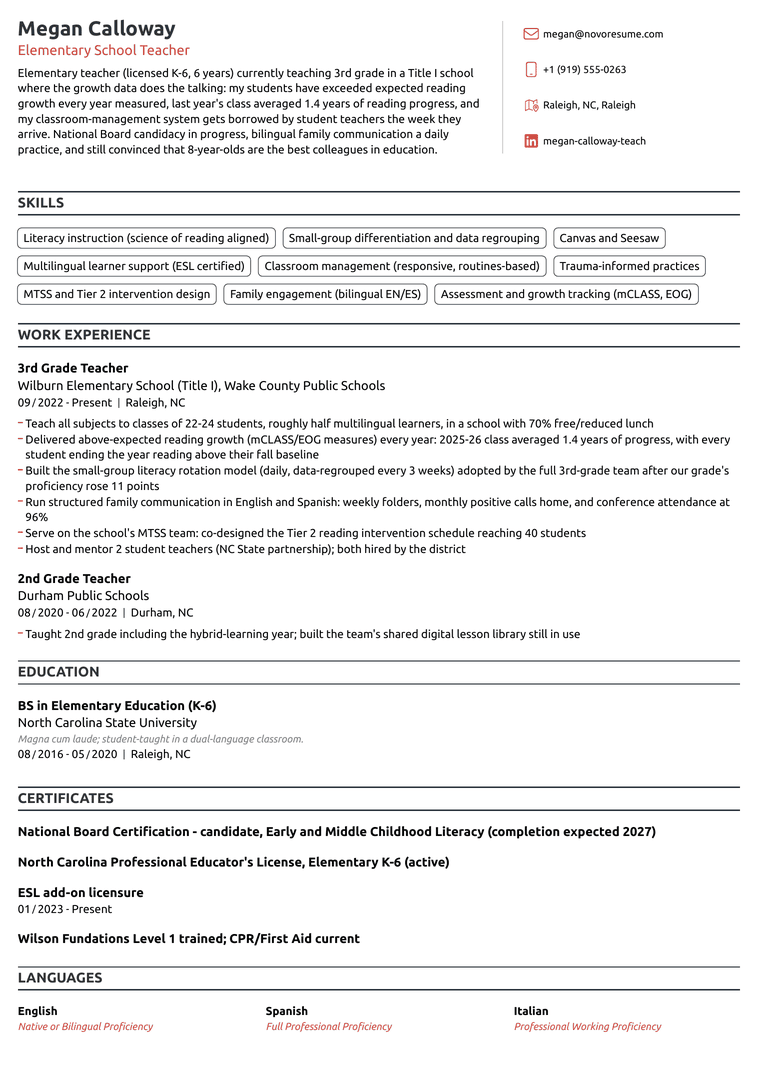
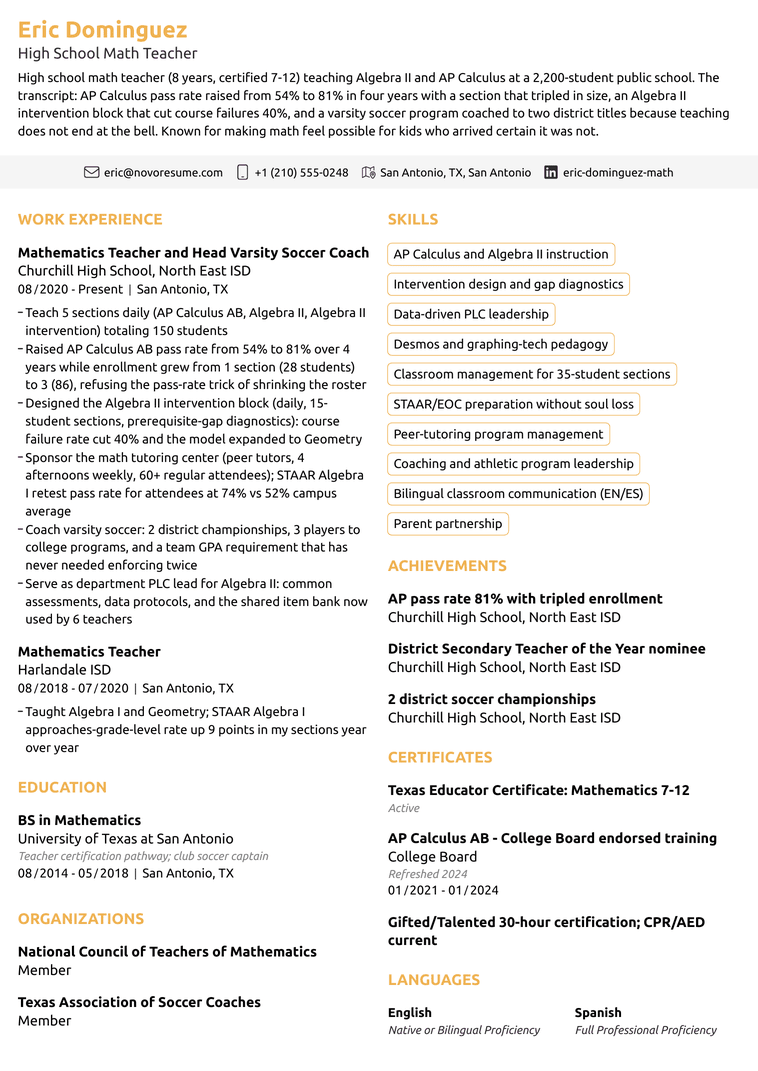
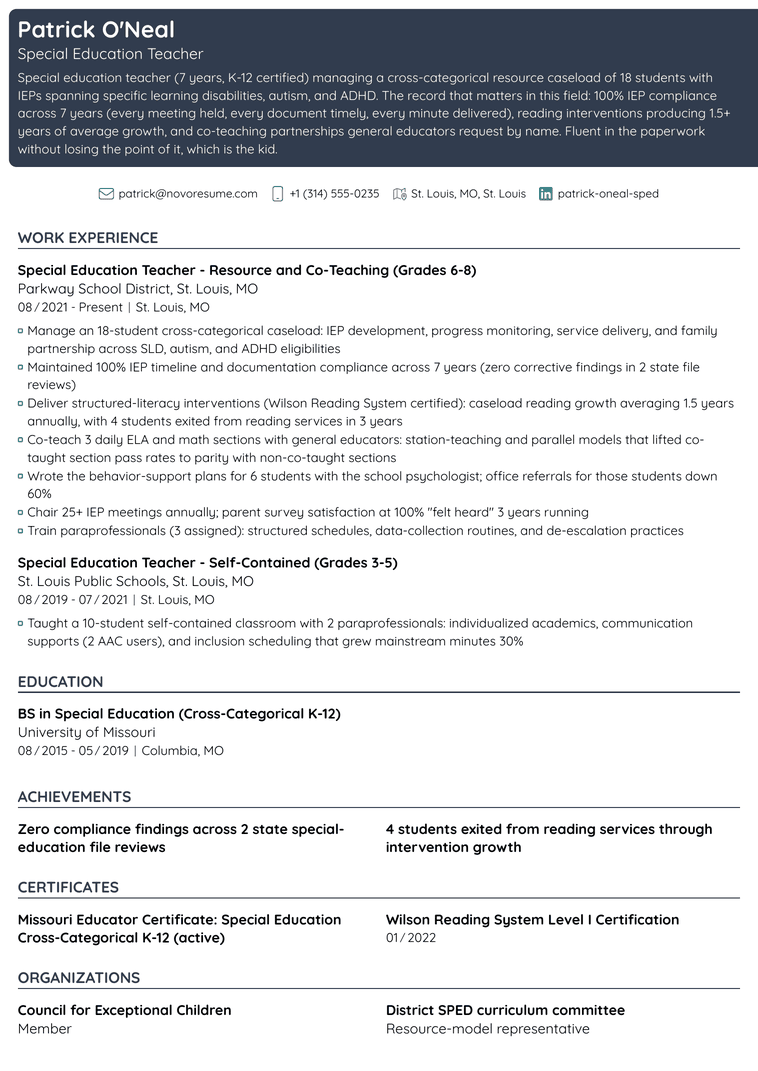
Education hiring is structured around credentials and classroom fit. The first thing hiring committees check is whether you have the right state teaching license and certifications for the role and grade level. After that, they want to see specific classroom experience, subjects taught, and evidence of student outcomes.
Start with the header, including any teaching license details near your contact info. The summary names your years of experience, the grade levels and subjects you teach, and your strongest credential or specialization. Skip generic claims about being "passionate about students."
The certifications section comes near the top. State teaching license, additional endorsements (ESL, special education, gifted), and any specialty certifications. Each with state and expiration date.
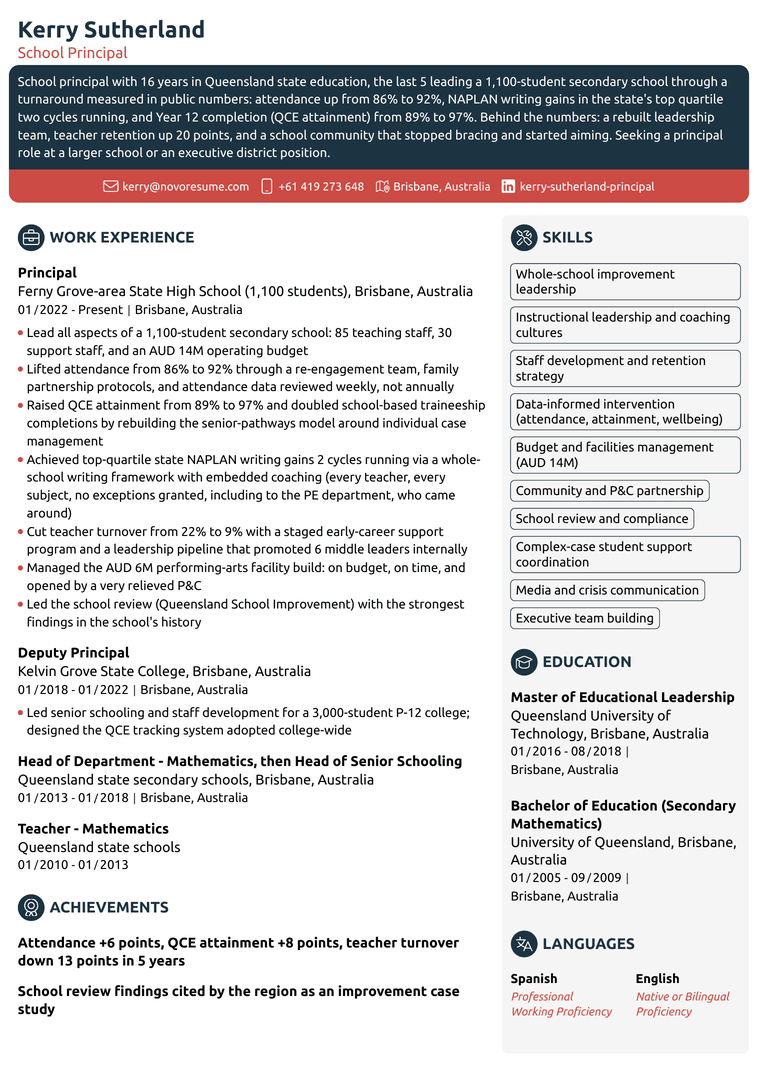
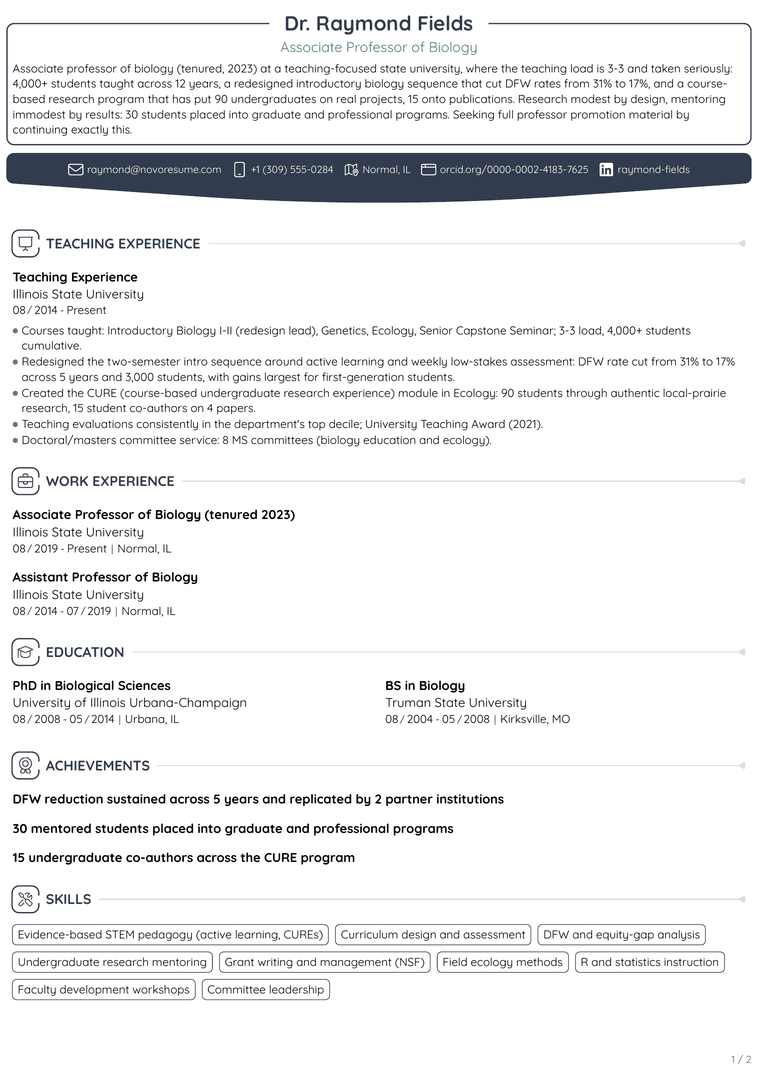
The work history is the heart of the resume. Each teaching role gets the school, district, grade level, subject area, and dates. Bullets cover classroom management, curriculum design, student outcomes (test scores, growth metrics, college acceptance rates), and any leadership roles (department chair, grade-level lead, mentor teacher). For higher education candidates, the document looks more like an academic CV with publications and research alongside teaching.
One page for early-career K-12 teachers, two pages for experienced teachers with substantial leadership or specialized work, longer for higher education and academic candidates.