























How to Write an Academic Resume
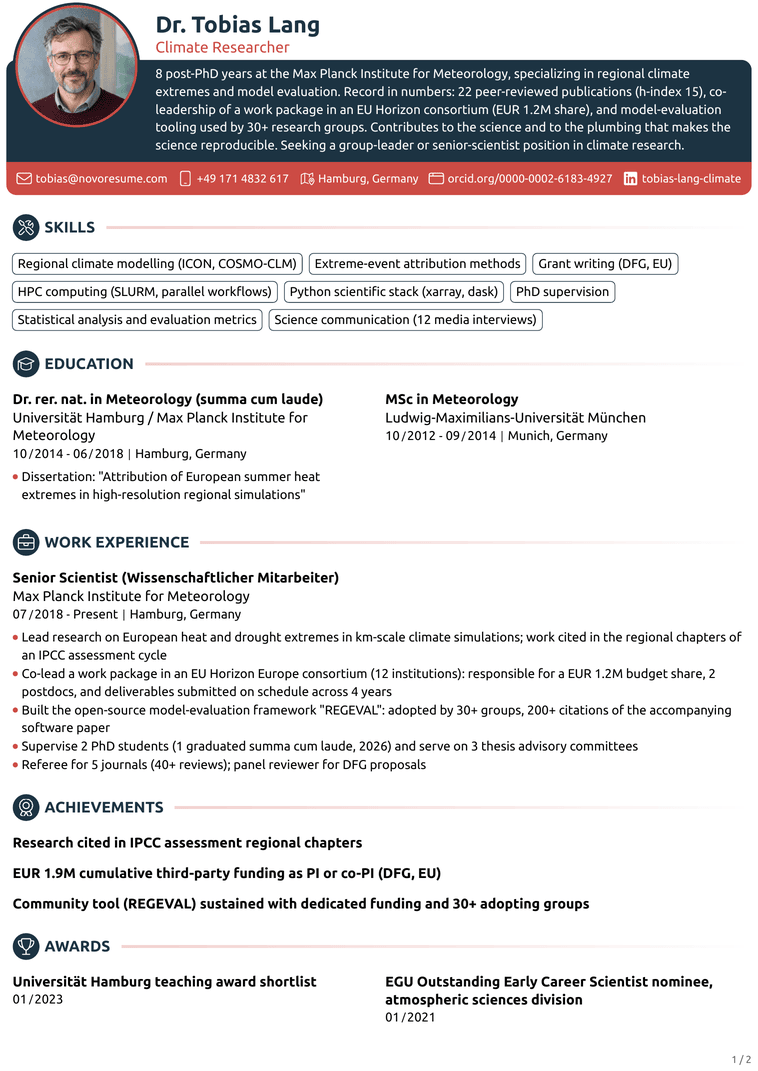
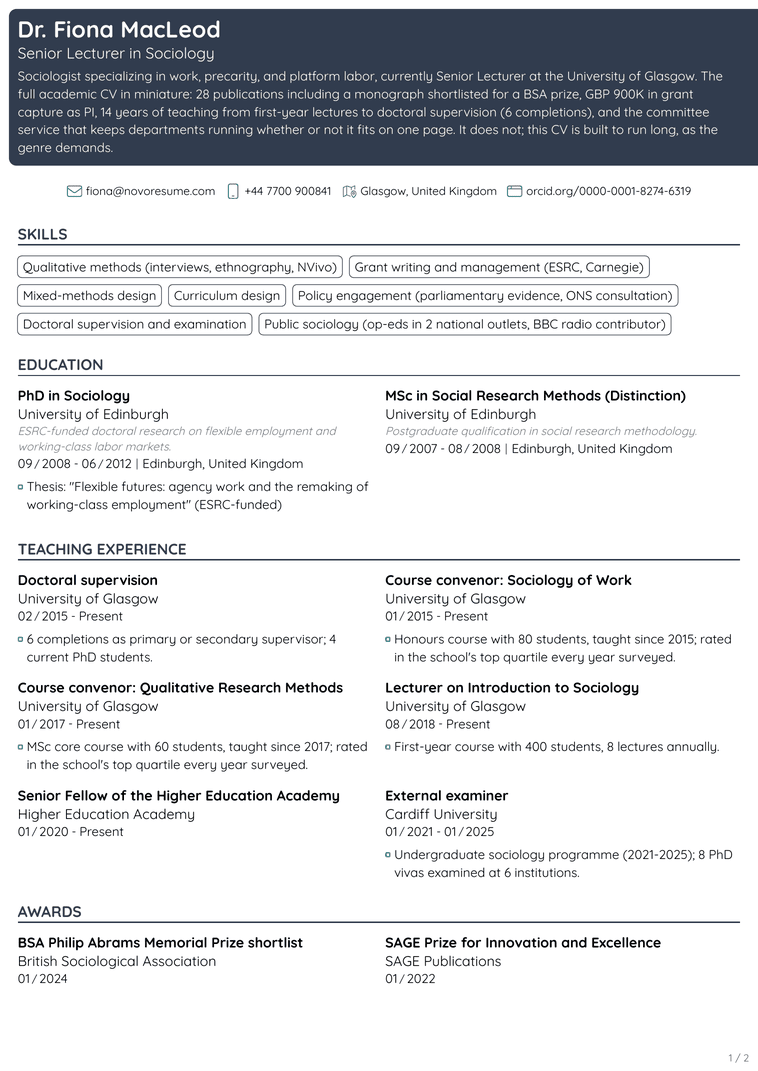
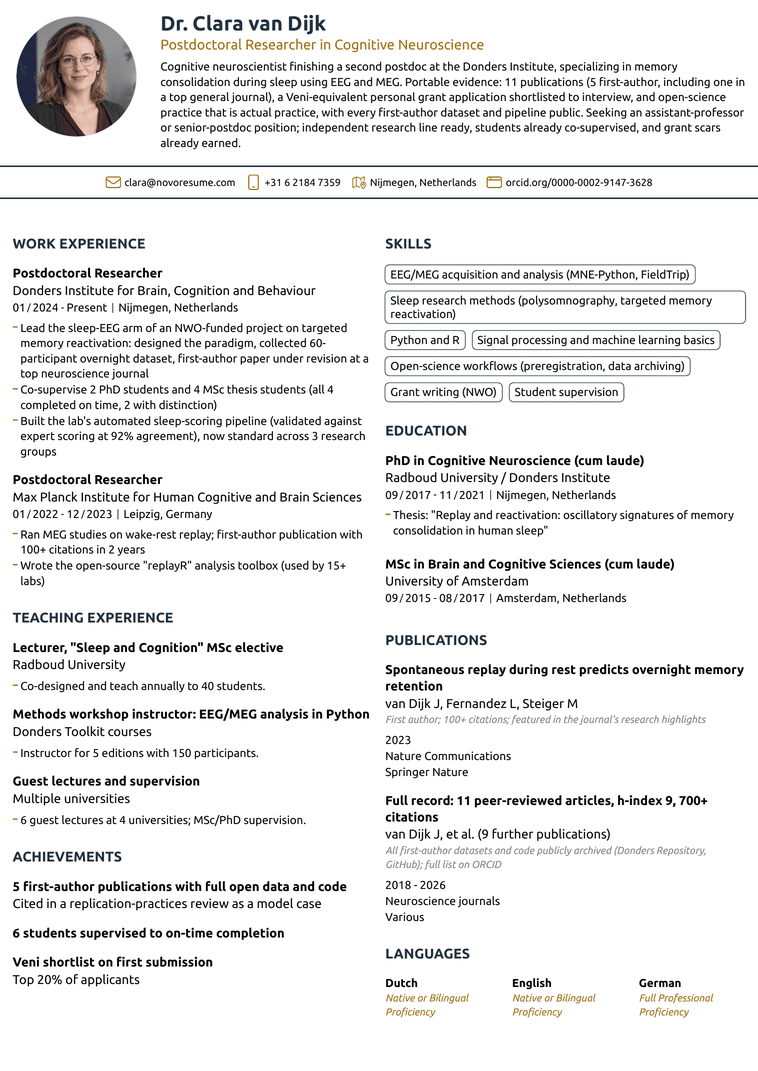
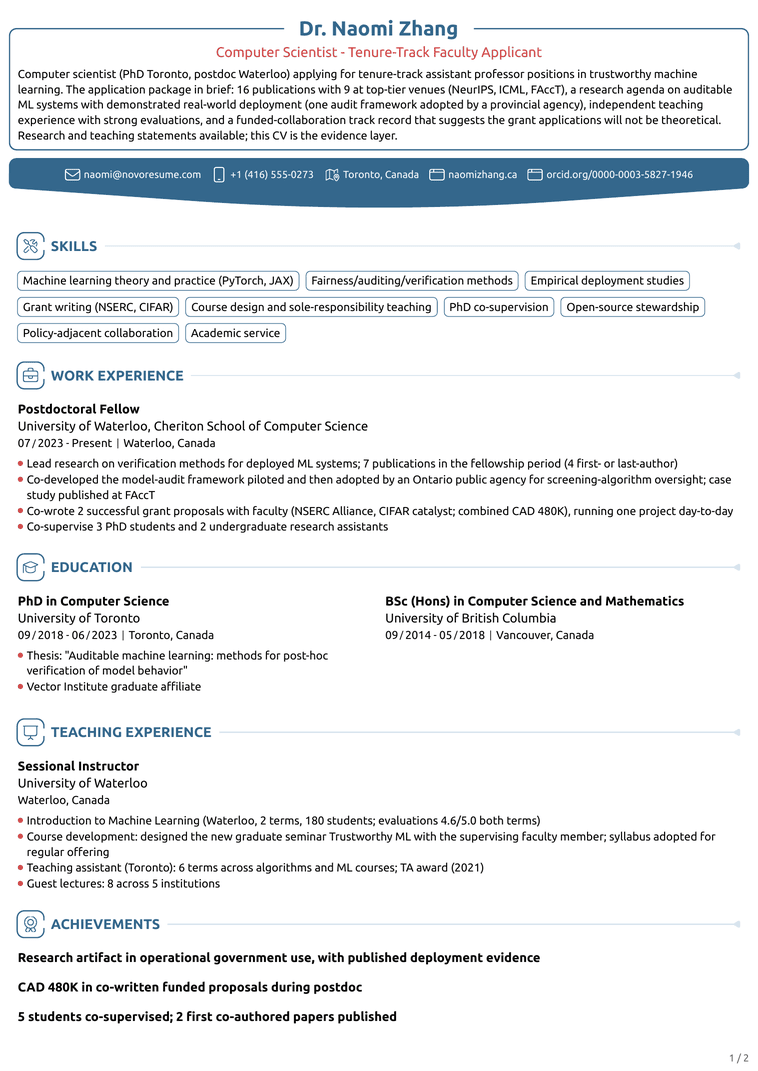
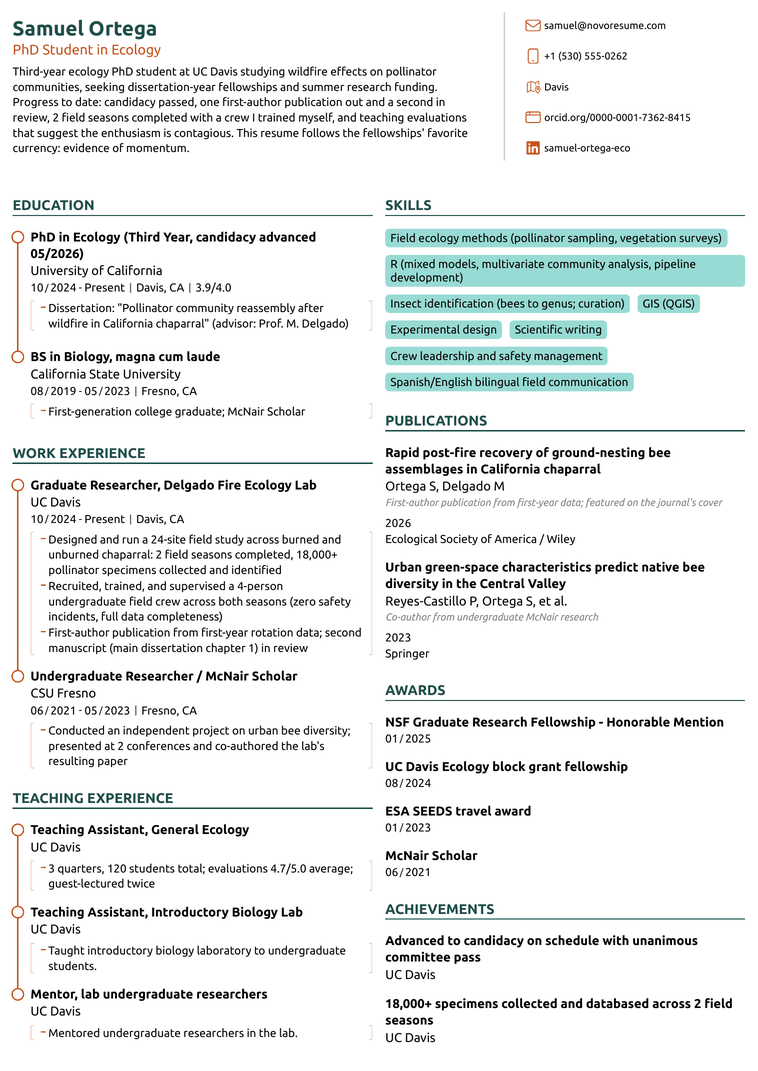
Before writing anything, decide which document you actually need. The first major split is between a resume and a CV. In academic hiring globally and most non-US contexts, "CV" is the standard document. It can run 4-10+ pages, includes a full publication list, and covers every credential. In US private sector hiring (including industry research positions), "resume" usually means a 1-2 page document focused on professional experience. Most academics need both, used in different contexts.
For an academic CV, start with education (degrees, dissertation title, advisor). Then academic positions (postdocs, fellowships, faculty roles). Then publications, which usually become the largest section, divided by type (peer-reviewed journal articles, book chapters, conference proceedings, books). Grants and funding come next, then conference presentations and invited talks, then teaching experience, then service to the field. List everything in reverse chronological order within each section.
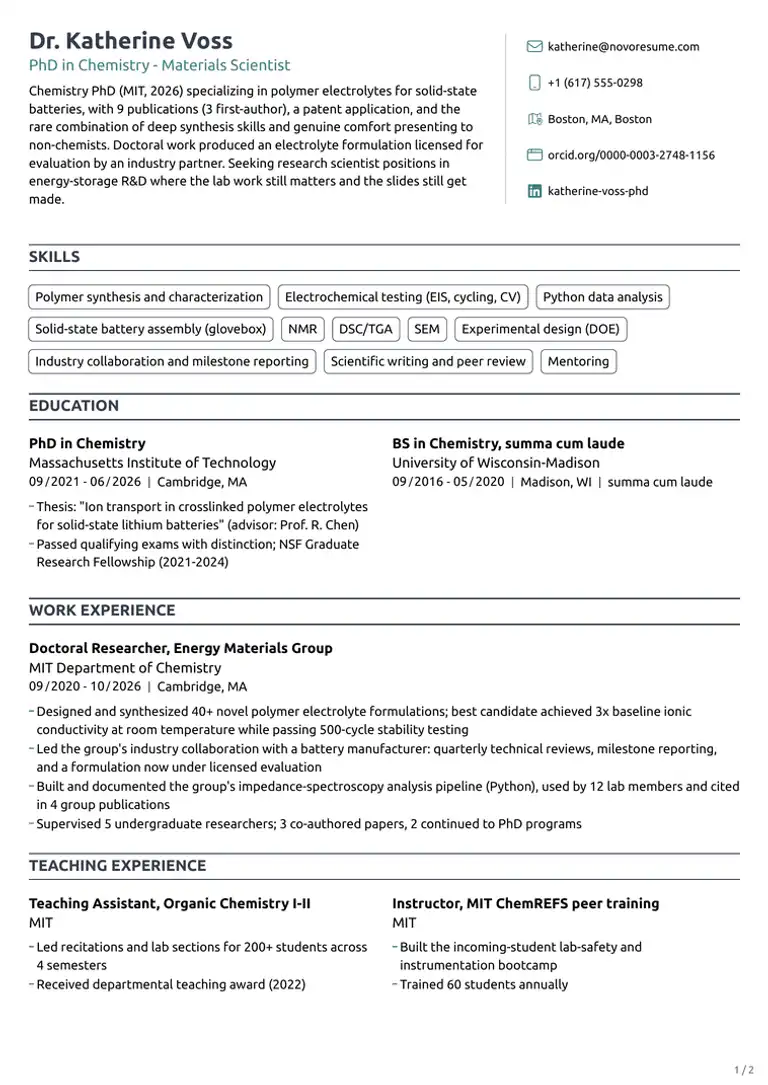
For an industry research resume, the same content compresses dramatically. Two pages instead of ten. The publication list shrinks to five to ten selected papers. Teaching may not appear at all. The structure shifts to look more like a private sector resume while preserving the credentials that matter for research-adjacent industry roles. Most candidates maintain both documents and adapt content depending on whether they're applying to a faculty position or a biotech company.