
You’re looking for a job.
Your resume is flawless, your LinkedIn profile is up to date, and you’ve only got one thing left to do – write a cover letter.
You just need something to get your foot in the door. But how do you strike the right balance between “simple” and “show-stopping”?
No worries. We’ve compiled a list of the best cover letter templates you can use to get on the right track!
Just pick your favorite, fill in the contents, download the end result, and you’ll be good to go!
Let’s get started.
Want to create an impressive job application? Use our professional resume builder to create your resume and cover letter in minutes!
Choose a resume template to get started.
What Is a Basic Cover Letter Template?
A basic cover letter template uses a clean, simple design that highlights your qualifications and enthusiasm for the role without any distracting graphics.
It has a simple font that’s easy to read, a minimal color palette, and traditional formatting with enough white space. The result is a cover letter that's easy on the eyes and looks polished enough for any industry.
The main advantage of using a basic cover letter template is that it’s incredibly versatile and reliable. Whether you're applying for a corporate position, government job, or a role in a completely different sector, a basic template ensures that your cover letter looks professional and appropriate.
Not to mention that more and more companies are using applicant tracking systems to filter out cover letters along with resumes. A basic cover letter template could be your key to breezing past any ATS since it doesn’t feature any complex formatting or graphics.
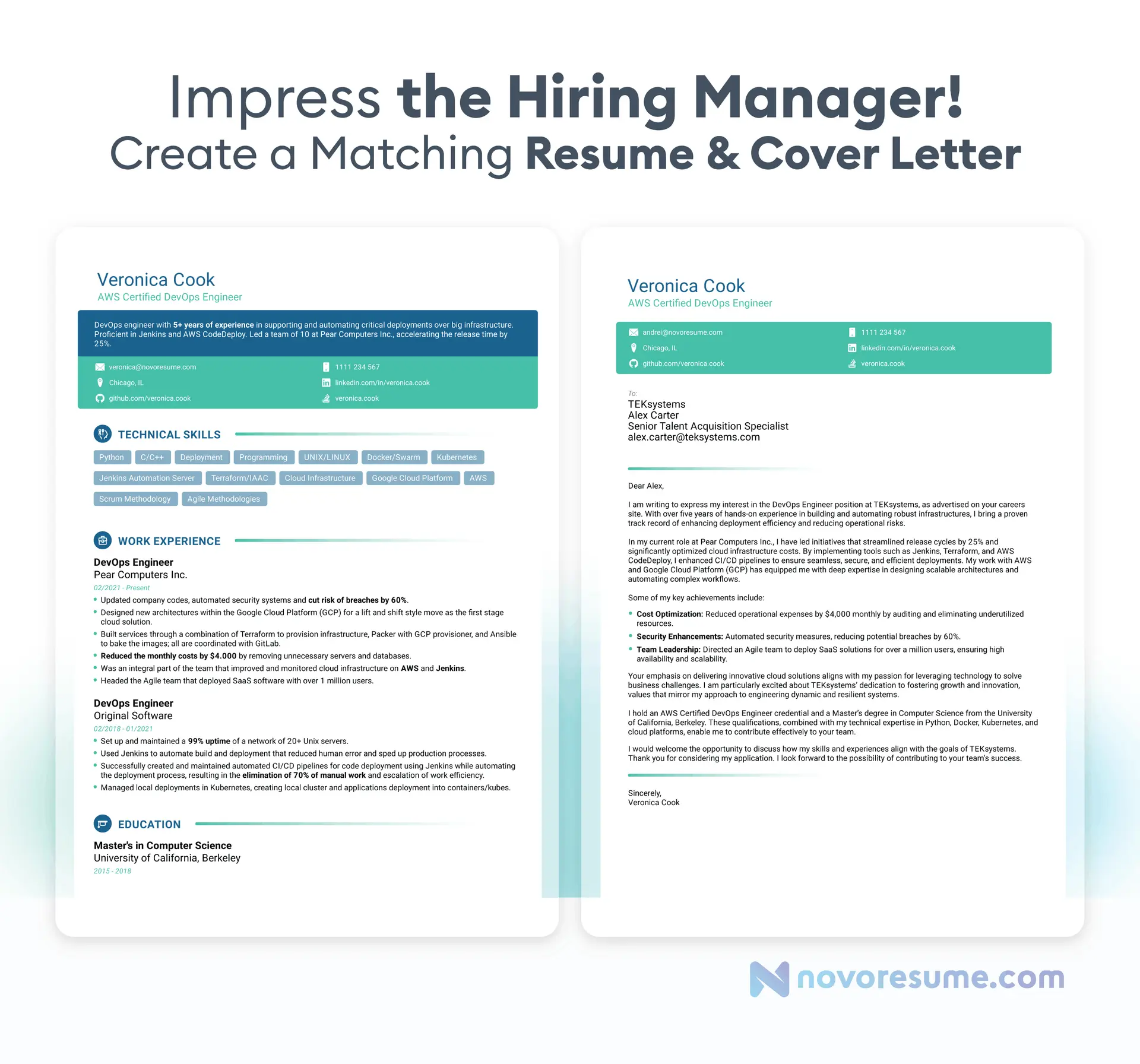
But a basic cover letter template is only as good as the resume template you’re using. If you want your application to make a good impression, use a matching pair of templates to create a cohesive, professional set of documents. A coordinated approach shows attention to detail and makes your application more memorable to hiring managers.
💡
Pro Tip
Are you new to writing cover letters? Start by reading our beginner’s guide!
10 Basic Cover Letter Templates
Let’s look at some of the best basic cover letter templates you can use. Pick the one that best fits your style and head on over to our resume builder to create a matching set for your job application!
#1. Basic Cover Letter Template
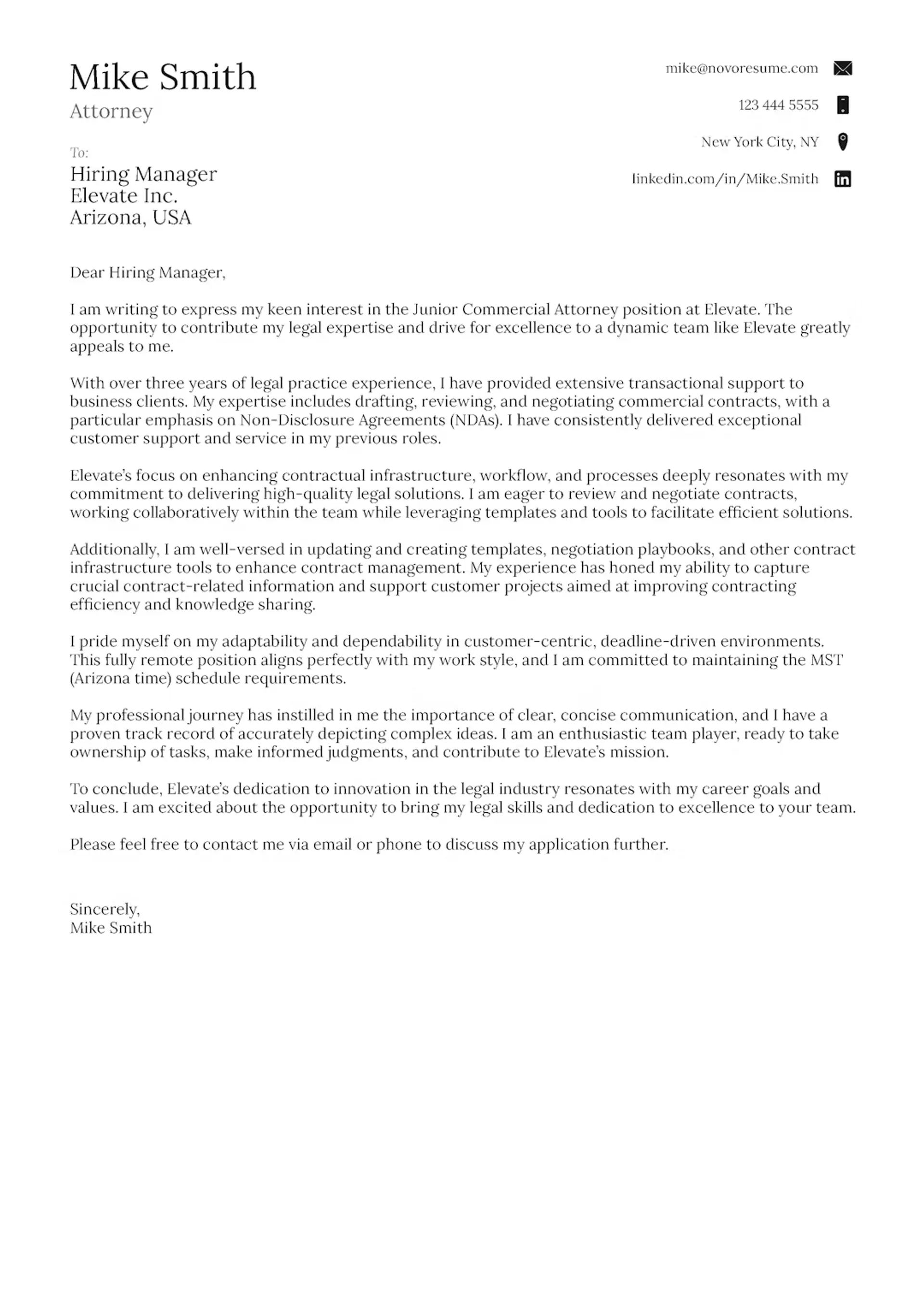
With a clean black-and-white design and traditional layout, this template is the epitome of simplicity. The formatting is straightforward, so your message to the hiring manager takes center stage without any visual distractions, making it perfect for any industry at any level of your career.
#2. Traditional Cover Letter Template
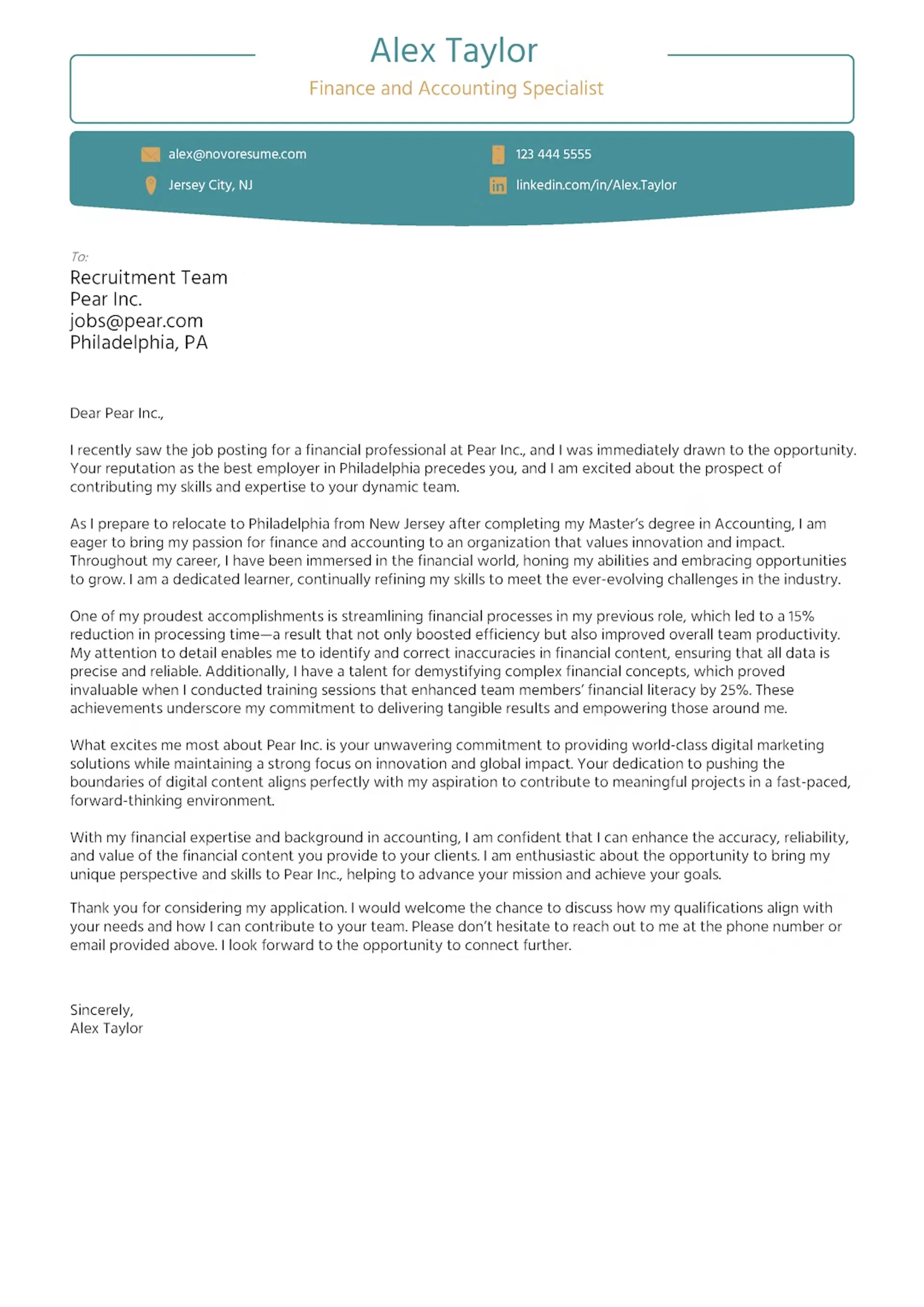
Featuring two accent colors and a classic design, this template combines professional appeal with subtle visual elements to improve its readability. The clean header design and organized layout create visual hierarchy without overwhelming the content, so it’s ideal for corporate environments.
#3. Simple Cover Letter Template
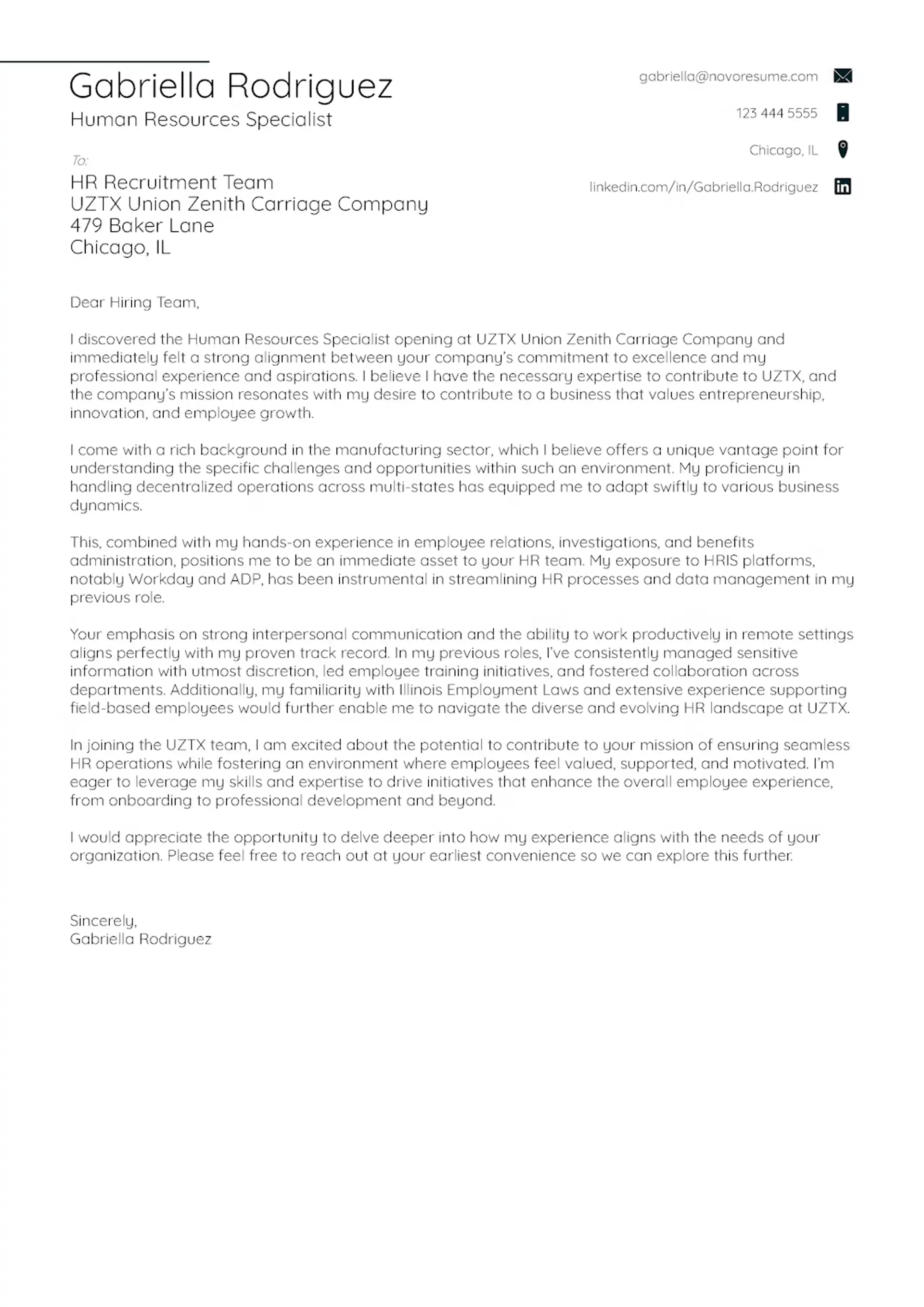
This template proves that basic templates can be sophisticated with clean typography and a well-structured layout to guide the reader's eye. The minimal design elements and strategic use of white space ensure that your qualifications remain the focal point.
#4. Modern Cover Letter Template
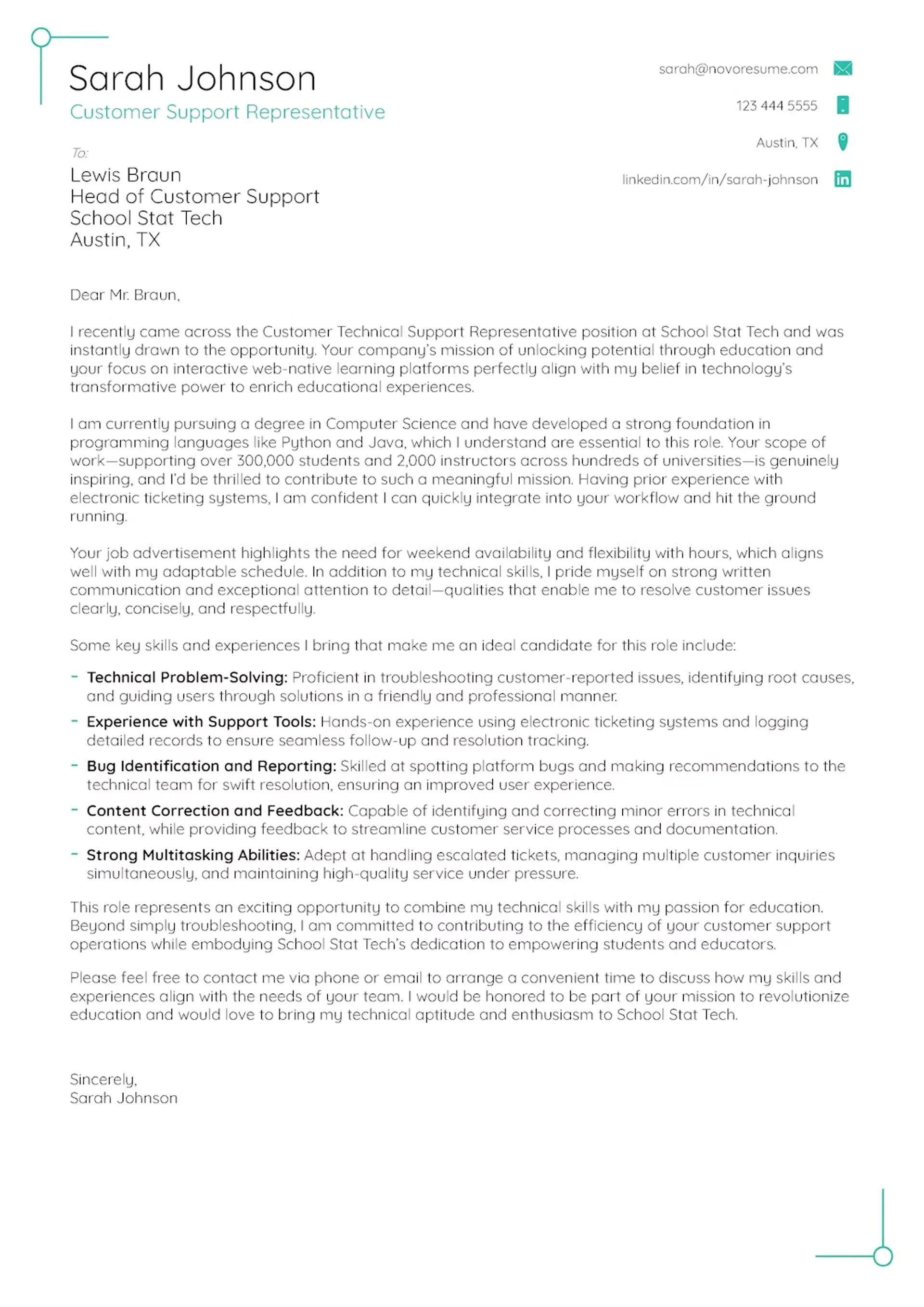
Through contemporary design and a strategic use of visual elements, this template strikes the perfect balance between modern appeal and professional credibility. The unique header design and clean formatting help you create a memorable first impression while remaining appropriate for more traditional industries.
#5. Executive Cover Letter Template
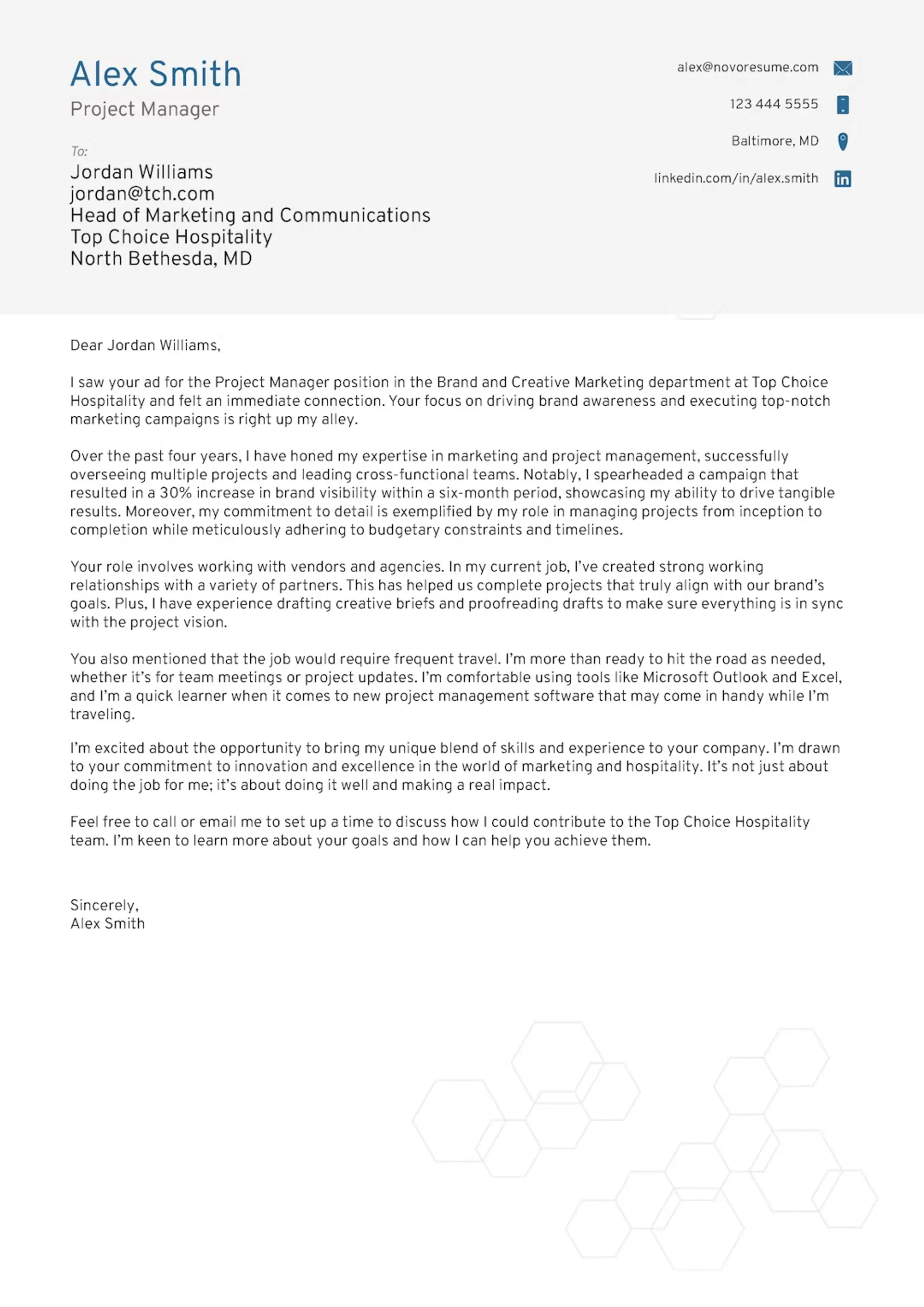
True to its name, this template exudes authority and professionalism through its clean, sophisticated design that's perfect for senior-level positions. The structured layout can present extensive experience without overwhelming the reader, and the minimal color scheme ensures it maintains its polished appearance across all formats.
#6. Minimalist Cover Letter Template
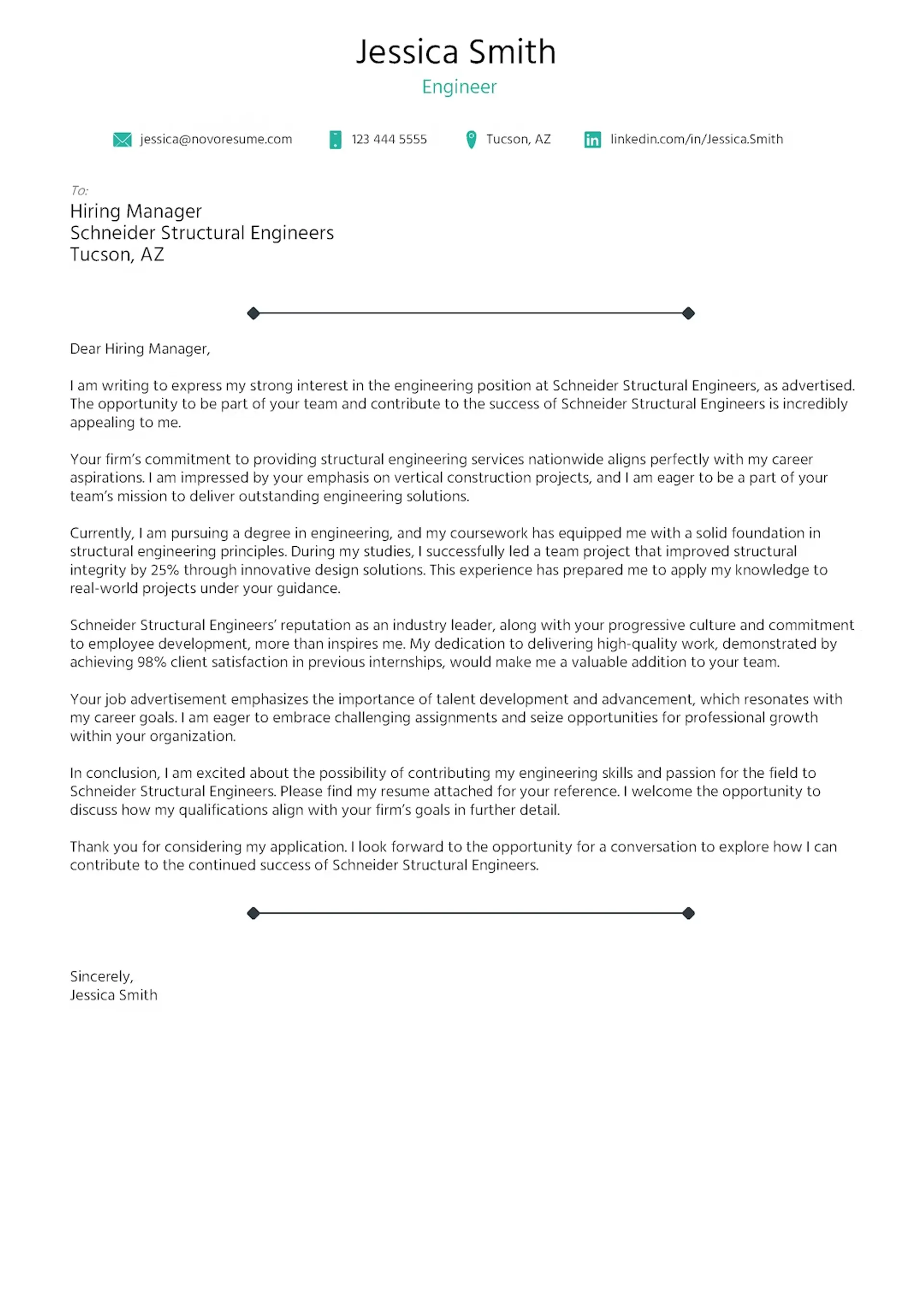
This template only sticks to the most necessary parts of a cover letter. It removes all visual clutter to create a focused, content-driven design that lets your qualifications speak for themselves. The clean lines and strategic use of accent colors create visual interest without going overboard on the graphics.
#7. Functional Cover Letter Template
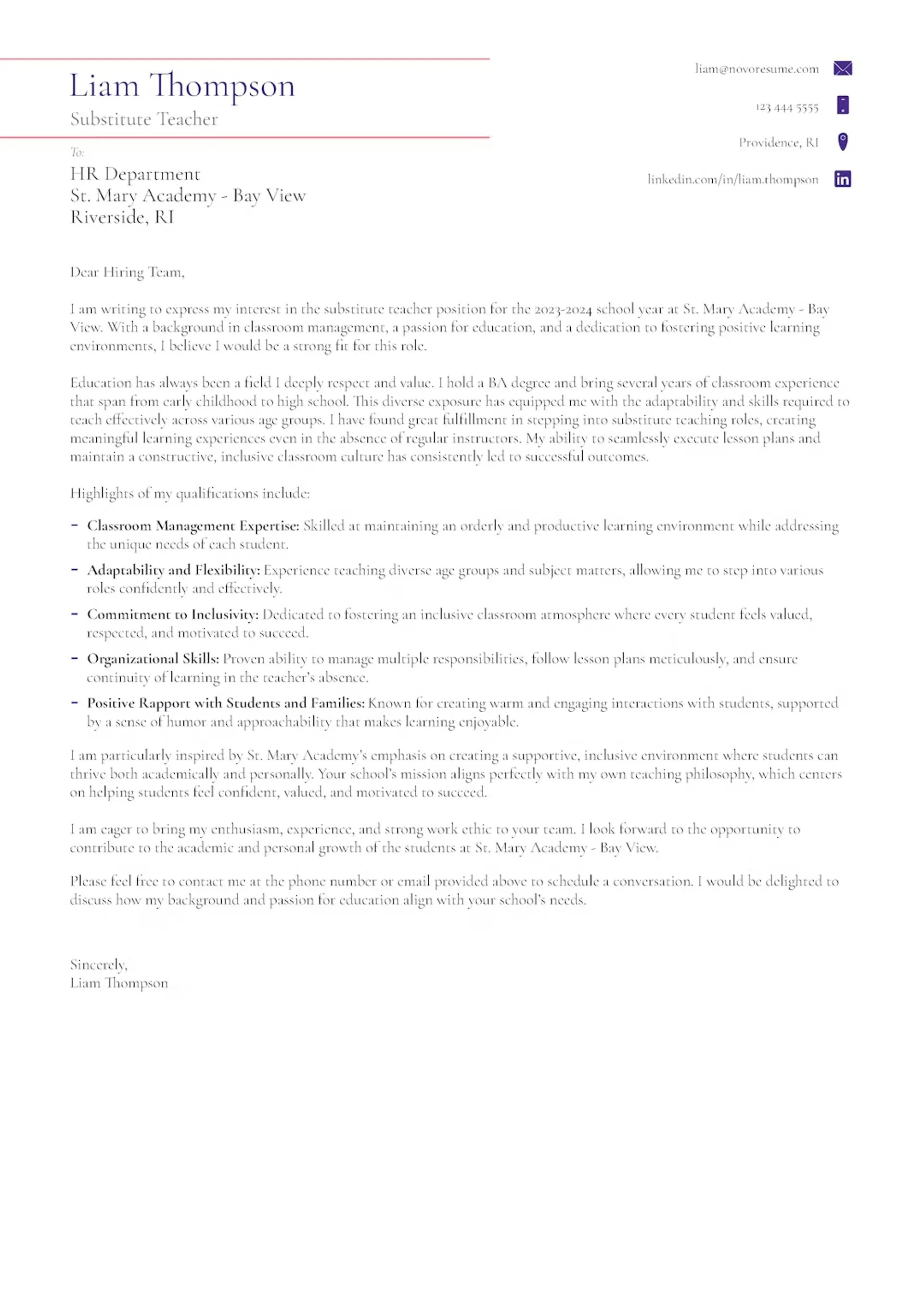
This template is perfect for organizing information through distinctive visual elements and structured formatting. It creates an engaging reading experience through the creative use of color blocks and adds personality without undermining professional credibility. The clear layout makes it perfect for showcasing diverse skills and achievements effectively.
#8. College Cover Letter Template
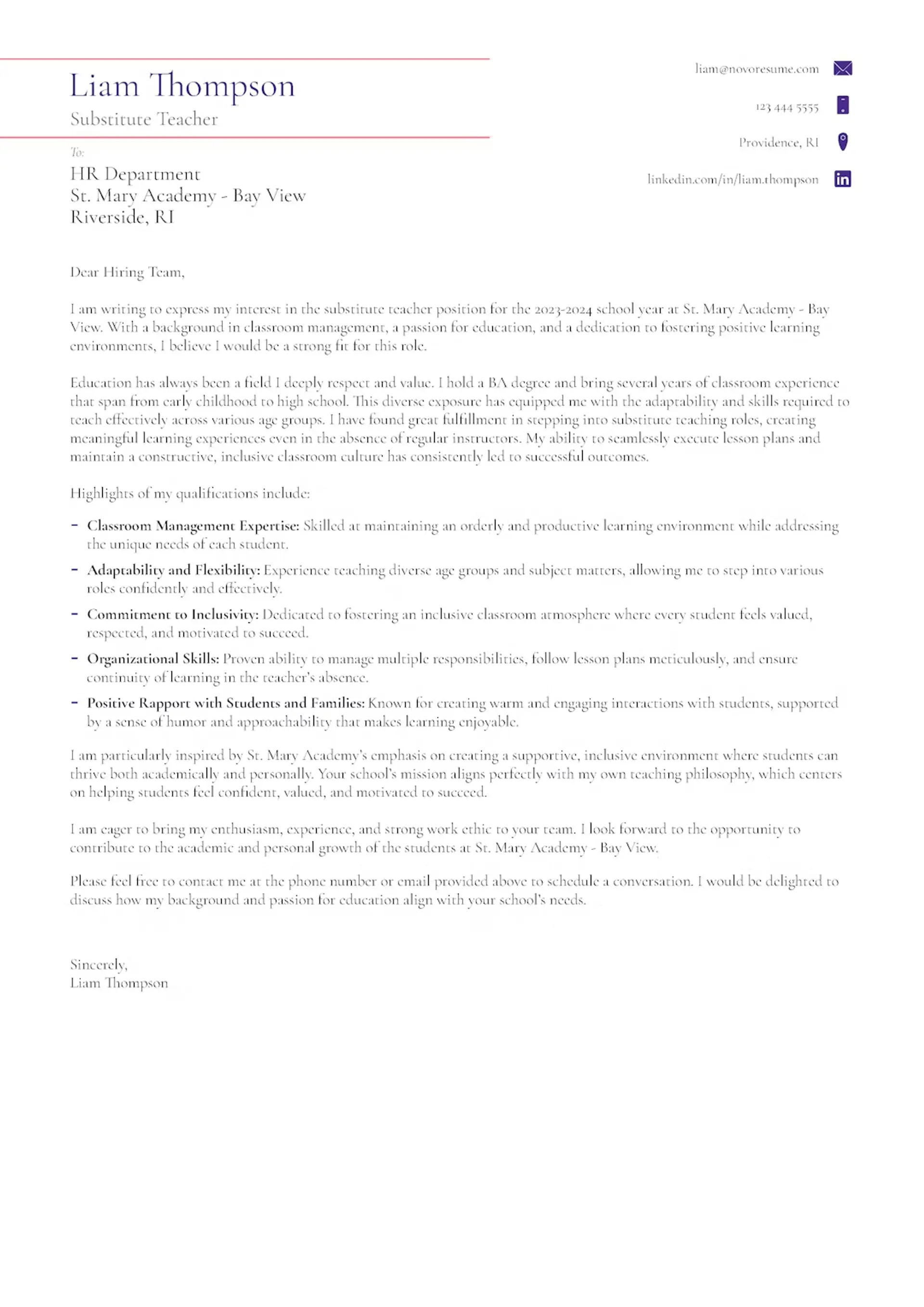
This template is perfect for entry-level positions since it’s designed with students and recent graduates in mind. The design uses clean formatting and a professional structure to help new job seekers present themselves confidently despite limited work experience.
#9. General Cover Letter Template
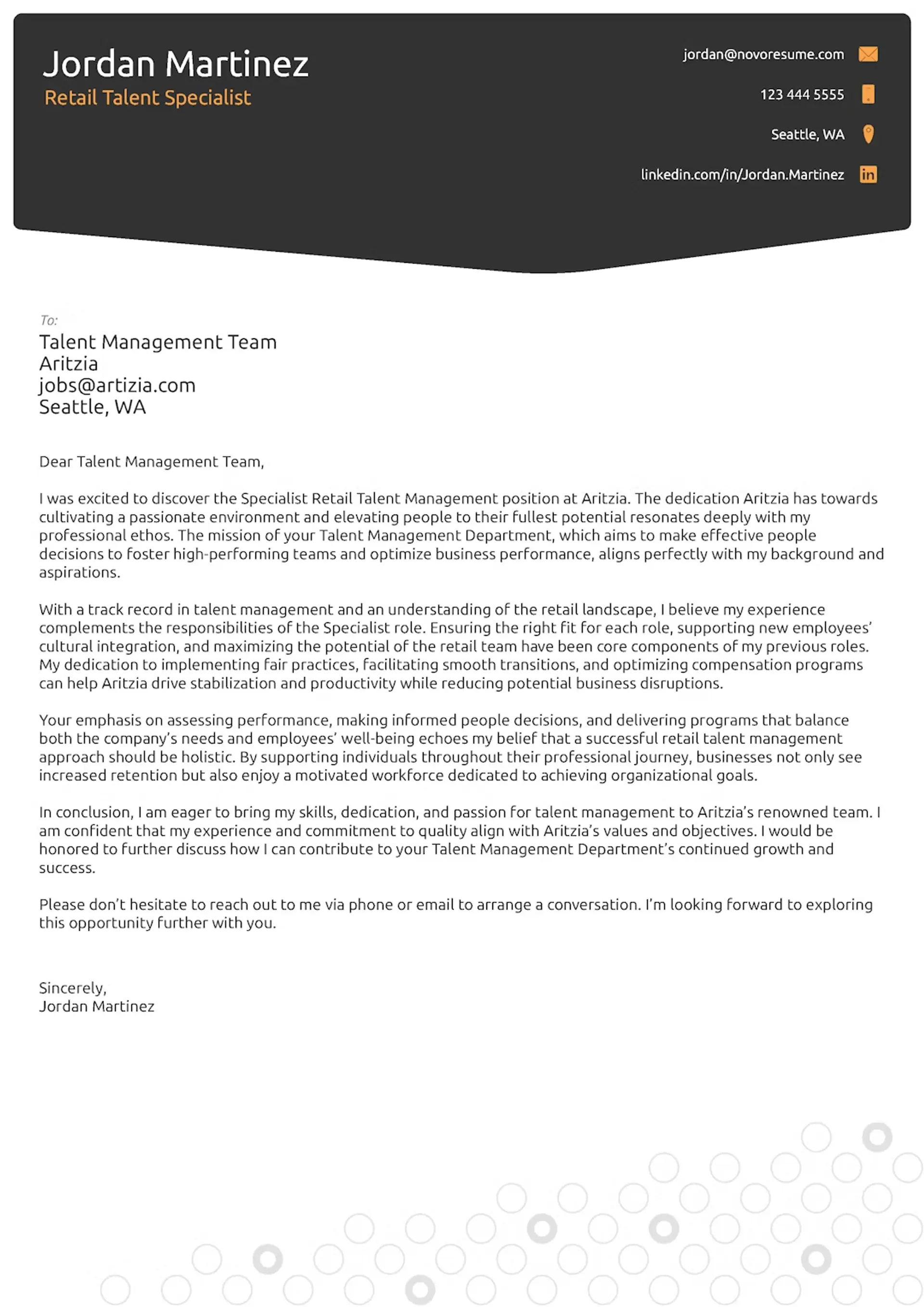
Some design elements, like a single bold color and a decorative pattern at the bottom of the page, can enhance a functional template like this. It’s suitable for applications across multiple industries and career levels since the distinctive header and clean section organization let hiring managers quickly assess your qualifications.
#10. Combined Cover Letter Template
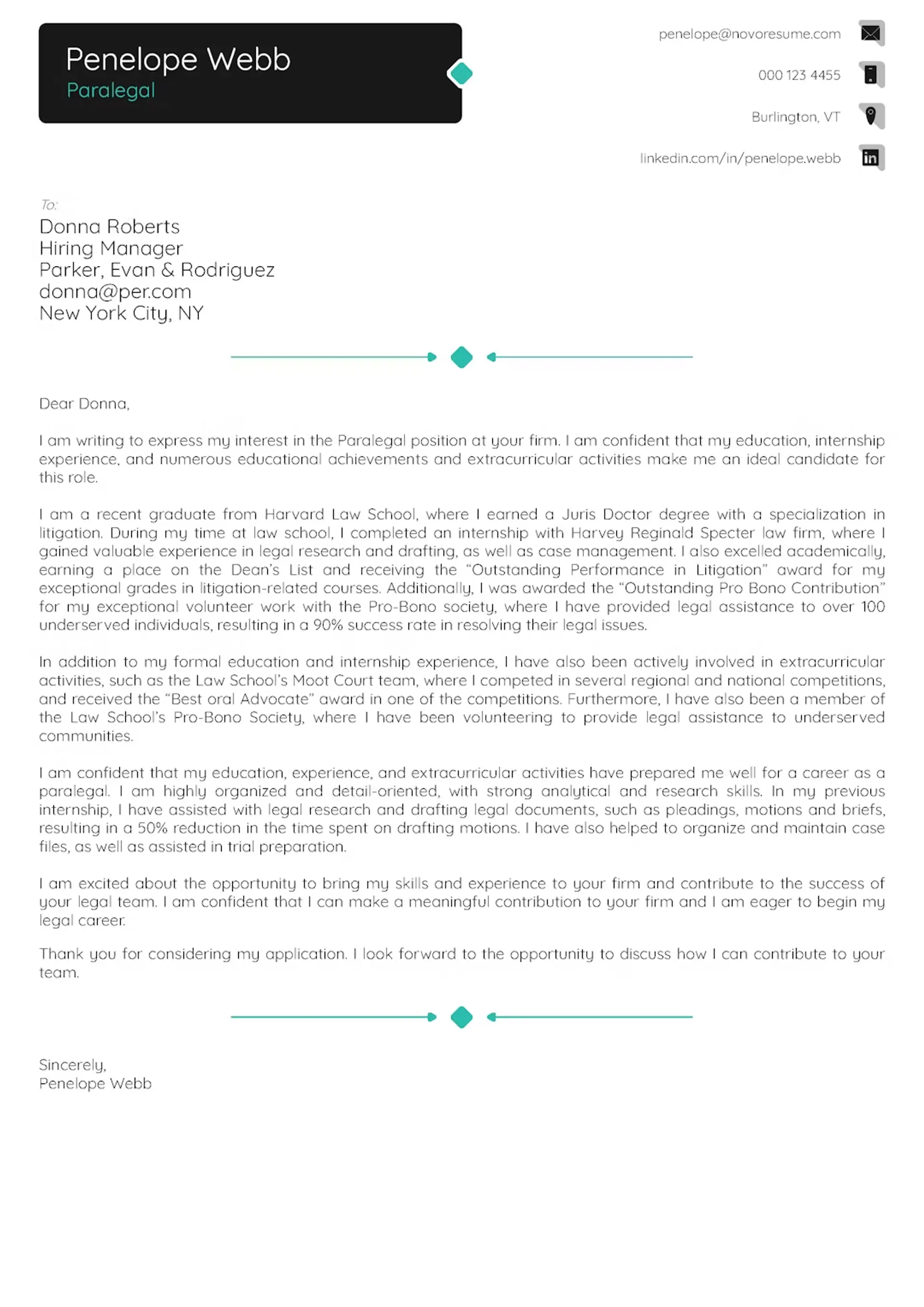
A unique design approach can create visual impact while maintaining the highest professional standards, as you can see with this combined cover letter template. With clear contrast and an easy-to-read font, your message is going to come across clearly and memorably.
8 Tips to Create a Basic Cover Letter
You know what the basic cover letter templates are, so now you just need to write the actual cover letter.
Follow these cover letter tips and you’ll be done in no time:
- Start with a compelling opening line. Grab the hiring manager’s attention with something specific about why you're excited about this particular role or company. Stating why you’re a good candidate immediately sets you apart from the crowd.
- Don't repeat your resume. Use your cover letter to explain the "why" behind your career path and highlight information that isn’t on your resume. Show your personality and motivation instead of just listing your qualifications.
- Choose matching templates. Create a cohesive application package that looks professional and well-thought-out. You can even save time by just using our matching resume and cover letter templates!
- Research the company thoroughly. Mention specific details about the company's recent projects, values, or challenges to show your genuine interest. This proves you're not sending the same general cover letter to dozens of employers.
- Explain why this specific job. Connect your career goals and interests to the role and company, not just your qualifications. Hiring managers want to see enthusiasm and cultural fit as much as technical skills.
- Address any red flags. If you have any employment gaps, career changes, or you’re relocating, briefly explain these in a positive light instead of hoping the hiring manager won't notice.
- Use specific examples. Instead of saying you're "detail-oriented," describe a time when your attention to detail saved the company money or prevented a major issue. Add metrics like timeframe, scale, and results to sound more credible.
- End with a clear call to action. Don't just thank them for the opportunity to apply, recap your selling points and express enthusiasm about how you can contribute. Encourage them to follow up or arrange an interview.
FAQs about Basic Cover Letters
Do you still have some questions left about using a basic cover letter template? Look at these answers to the most frequently asked questions across the web.
Key Takeaways
And that concludes our list of basic cover letter templates you can use for your application!
Now, before you go land that job interview, let’s do a recap of what we talked about:
- A basic cover letter template is timeless. It works for traditional industries like law, finance, or government, as well as more creative industries - you can’t go wrong with it.
- Cover letters should always be one page, tops. You can go anywhere between 250 to 400 words, but don’t write a novel - the hiring manager just won’t read it.
- Basic cover letter templates are true to their name with a simple layout, minimal color palette, and very few design elements. The content is the star of the show, so they’re always very easy to read.
- Some ATS also scan cover letters for keywords, so a basic template helps you breeze past it and get to the hiring manager.
- Match your cover letter template to your resume. Submitting a matching set of application documents shows an eye for detail, and it’ll make a great impression on the employer!