























How to Write a Student CV
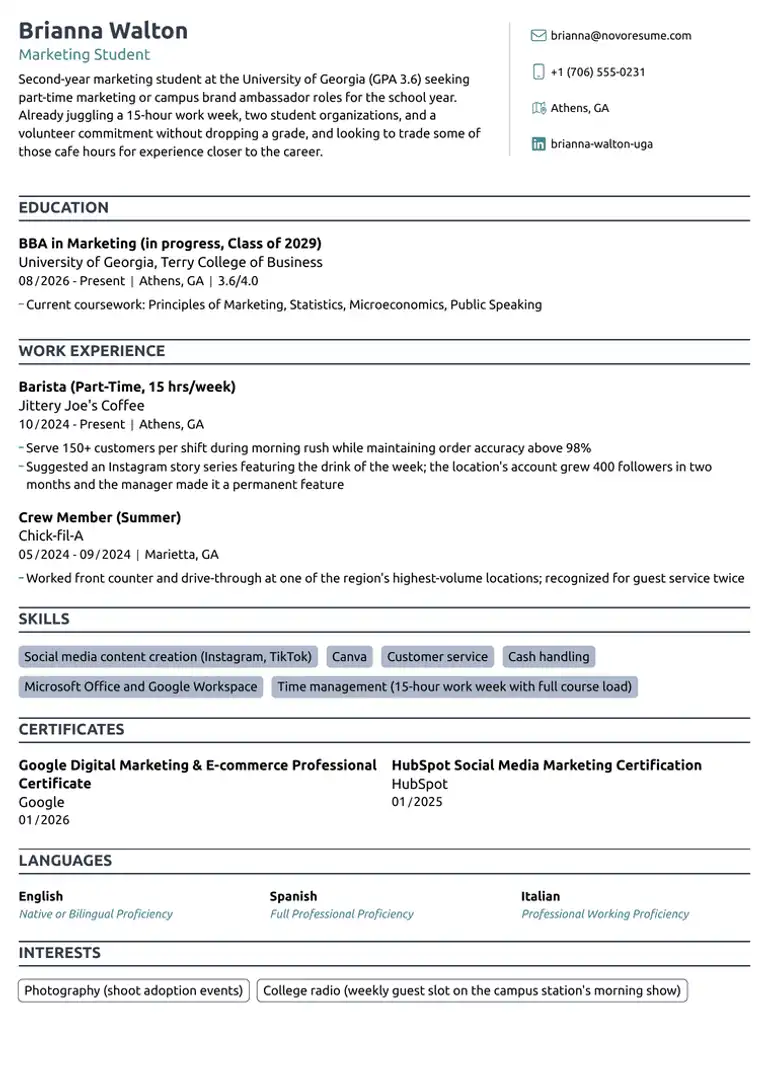
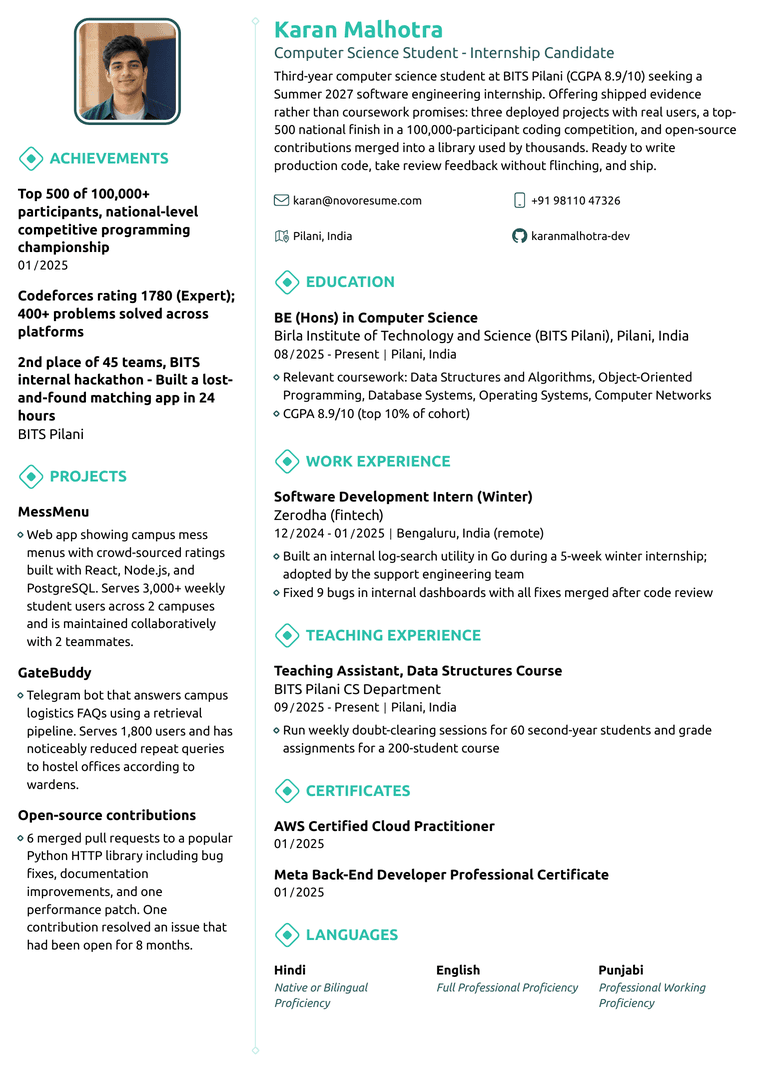
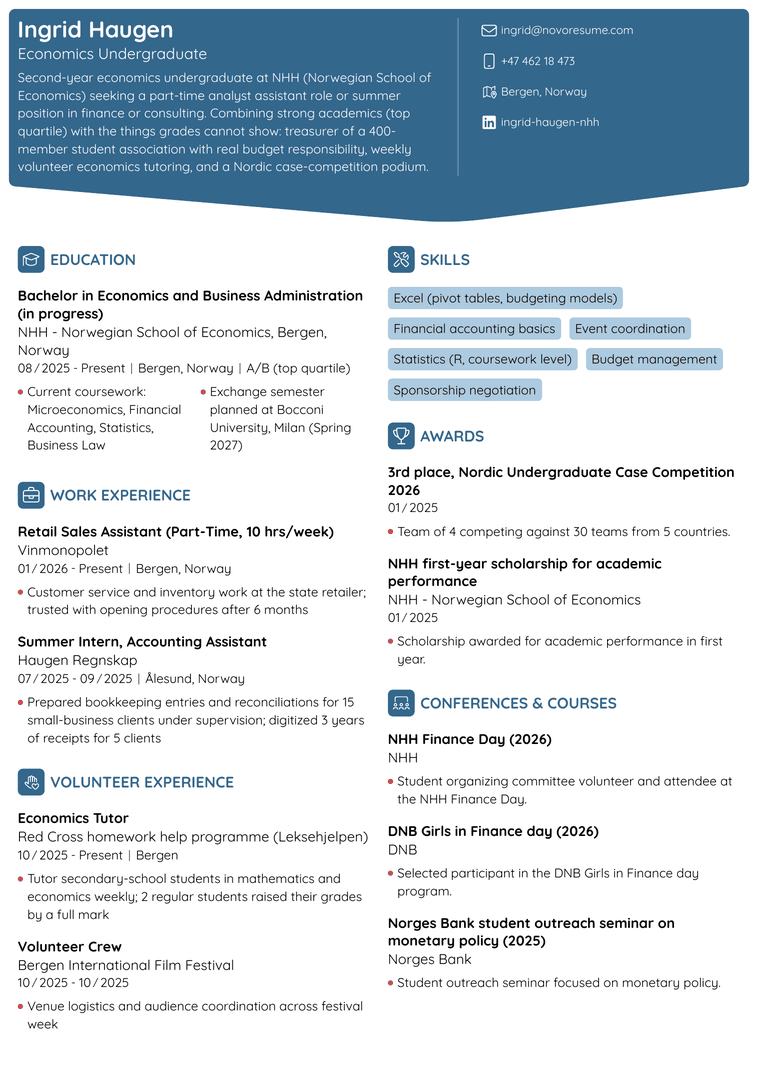
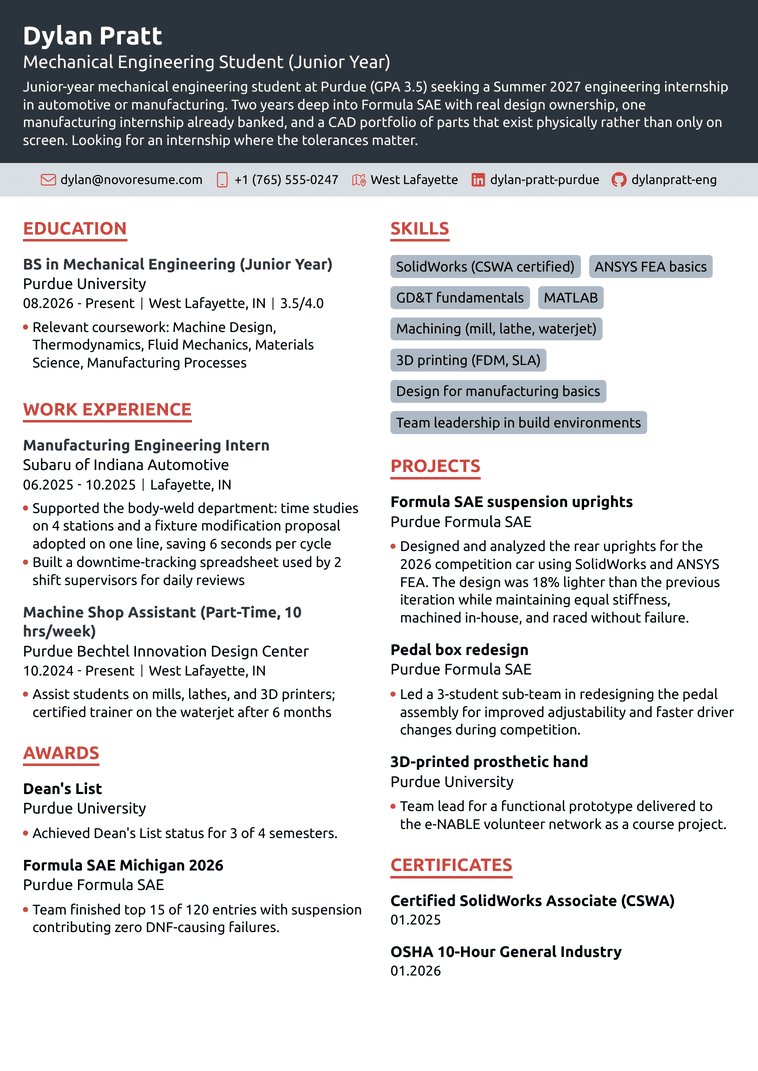
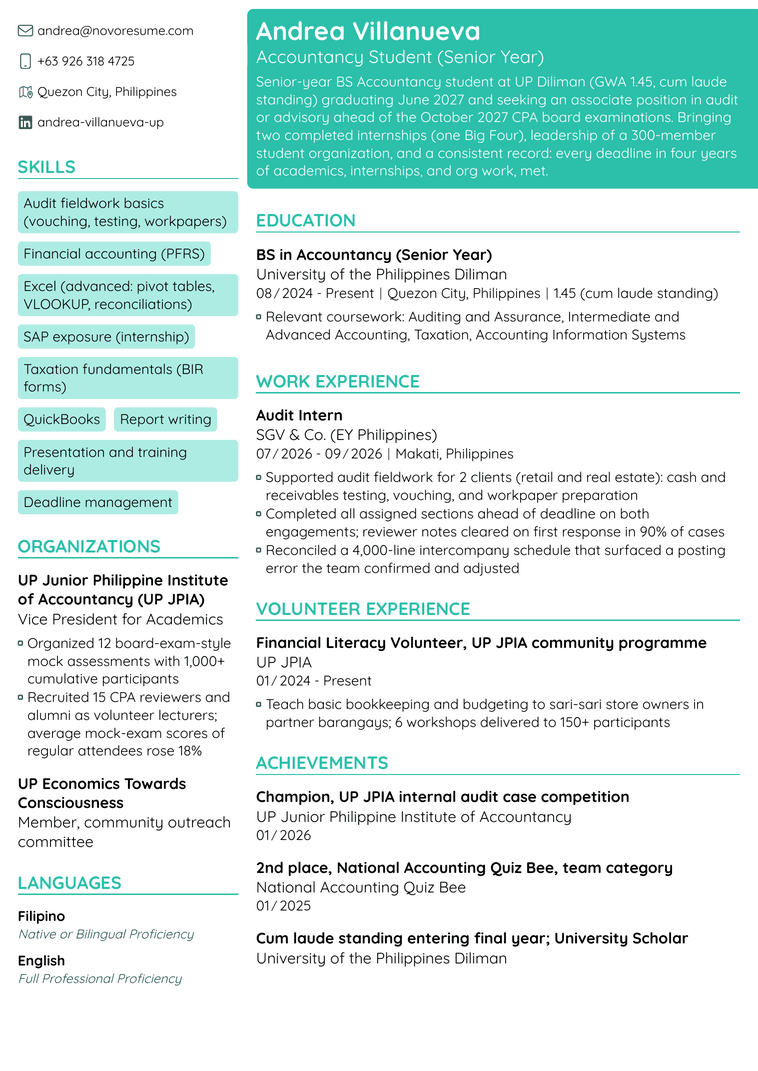
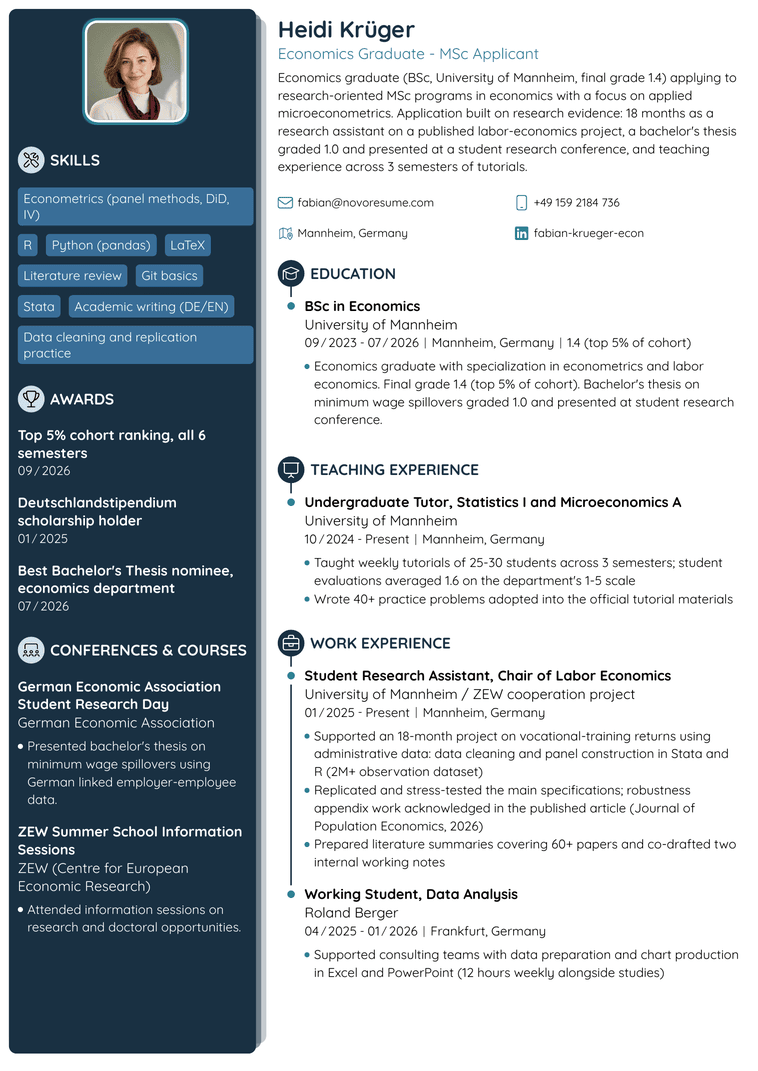
A student CV is an act of confident framing more than a list of accomplishments. You don't have the work history that a working professional brings, and the hiring manager knows this. What you do have is education, projects, extracurriculars, and any part-time work or volunteer experience you've accumulated. The job is to present those credentials as professionally as possible.
Start with the strongest signal: your education. Lead with your degree, university, expected graduation date, and predicted grade if it's a 2:1 or above. Add relevant coursework that matches the role. Then move to projects, which often carry more weight than a thin work history. Include class projects, hackathons, personal projects, and any research. Each project gets a short description with the tools used and the outcome.
Work experience comes next, even unrelated jobs. Babysitting, retail, food service, library work, anything paid counts. Frame each role in terms of transferable skills rather than industry specifics. Round out the CV with leadership and extracurriculars, focusing on substantial involvements rather than every club you've joined. Add a skills section listing specific tools, technologies, and languages.
The whole document should fit on one page and read confidently. A student CV that pretends to have more experience than it does reads worse than one that confidently shows what's actually there.


