























How to Write a Career Change CV
A career change CV does something a normal CV doesn't: it convinces the reader that your past experience is relevant when the job titles don't say so. The translation work has to happen inside the document, not in the reader's head.
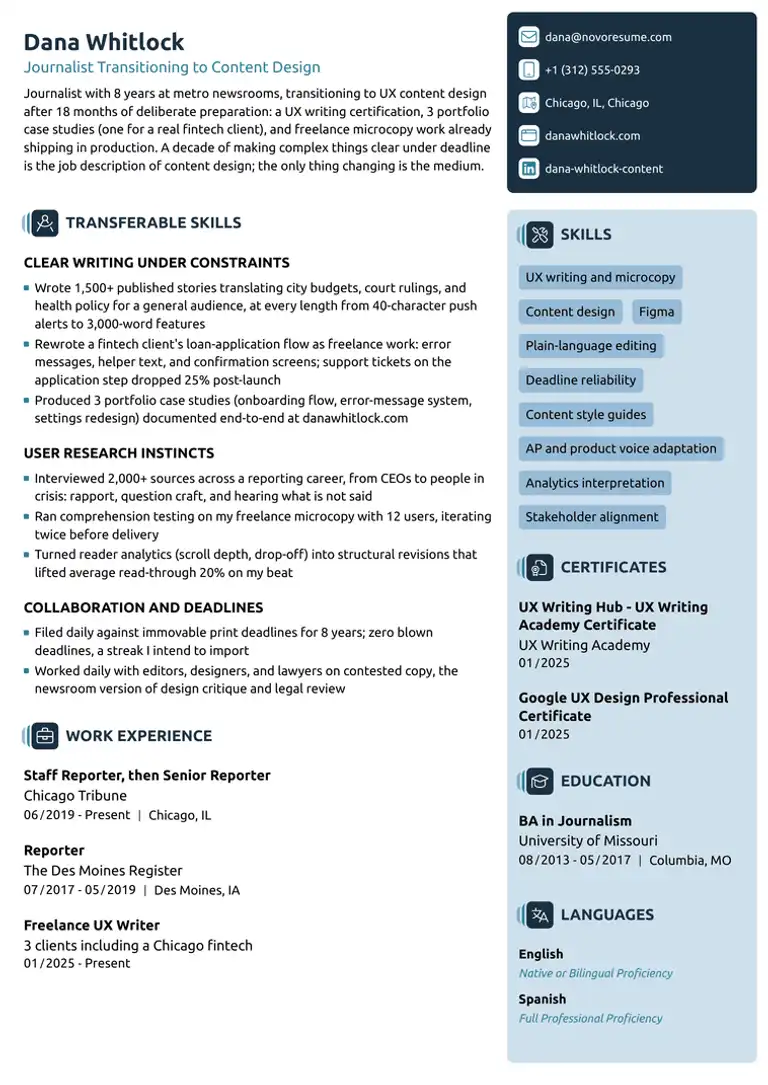
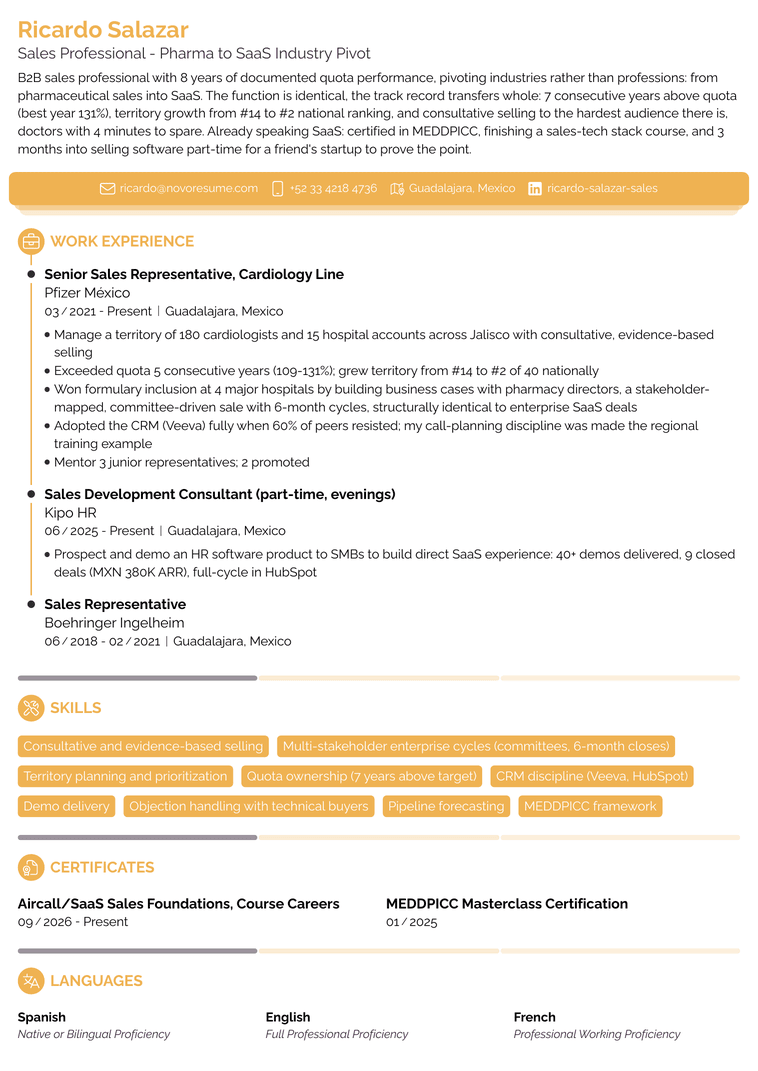
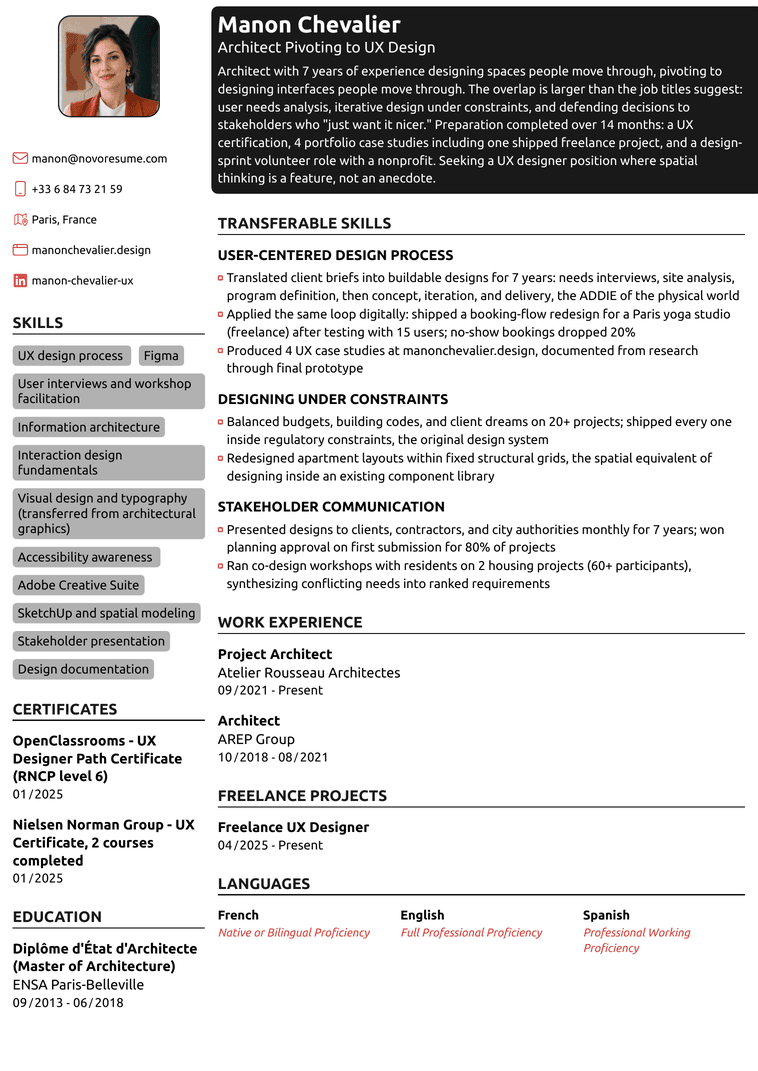
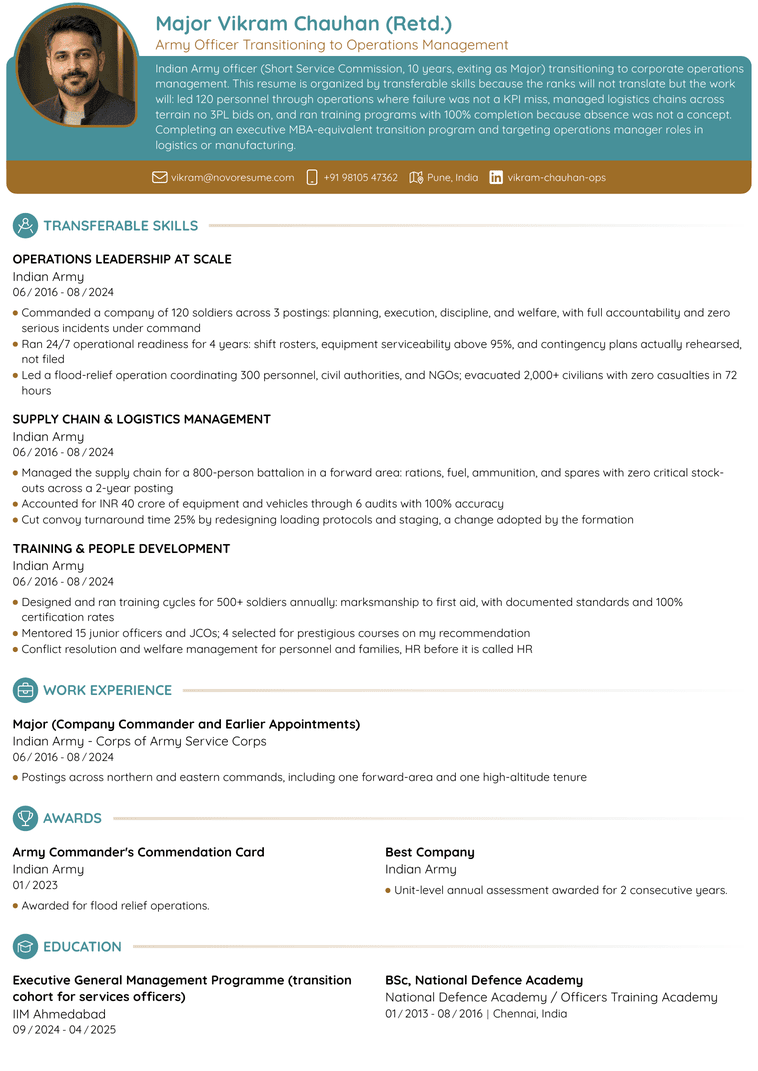
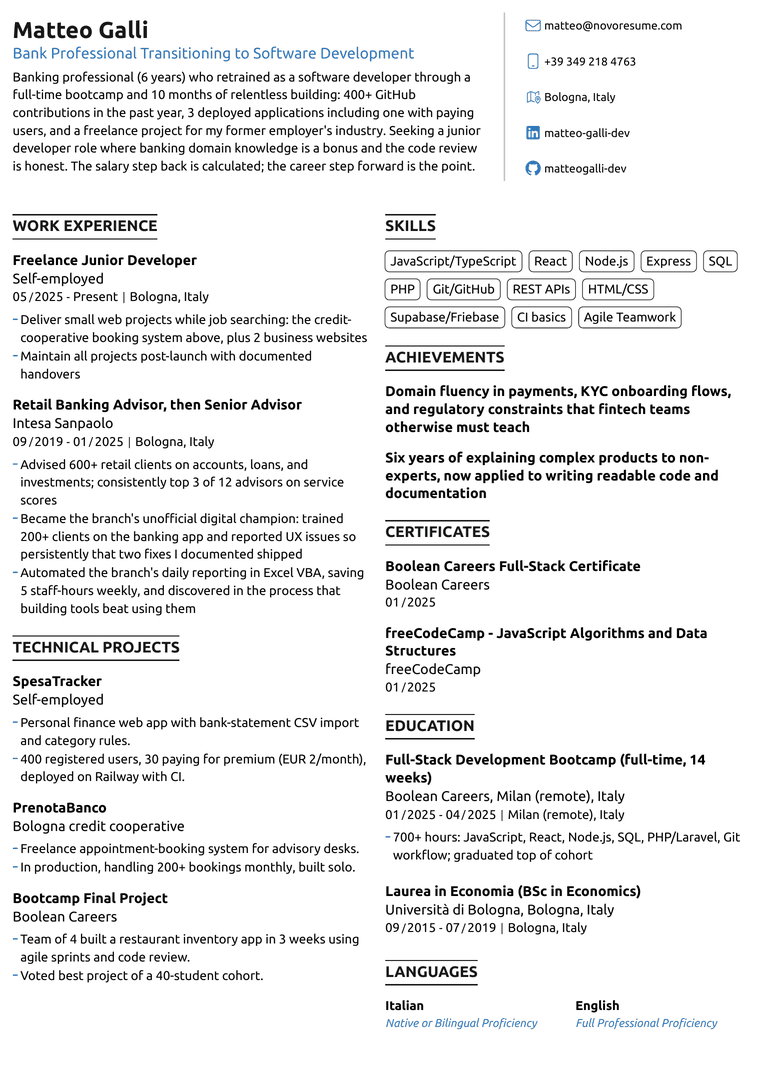
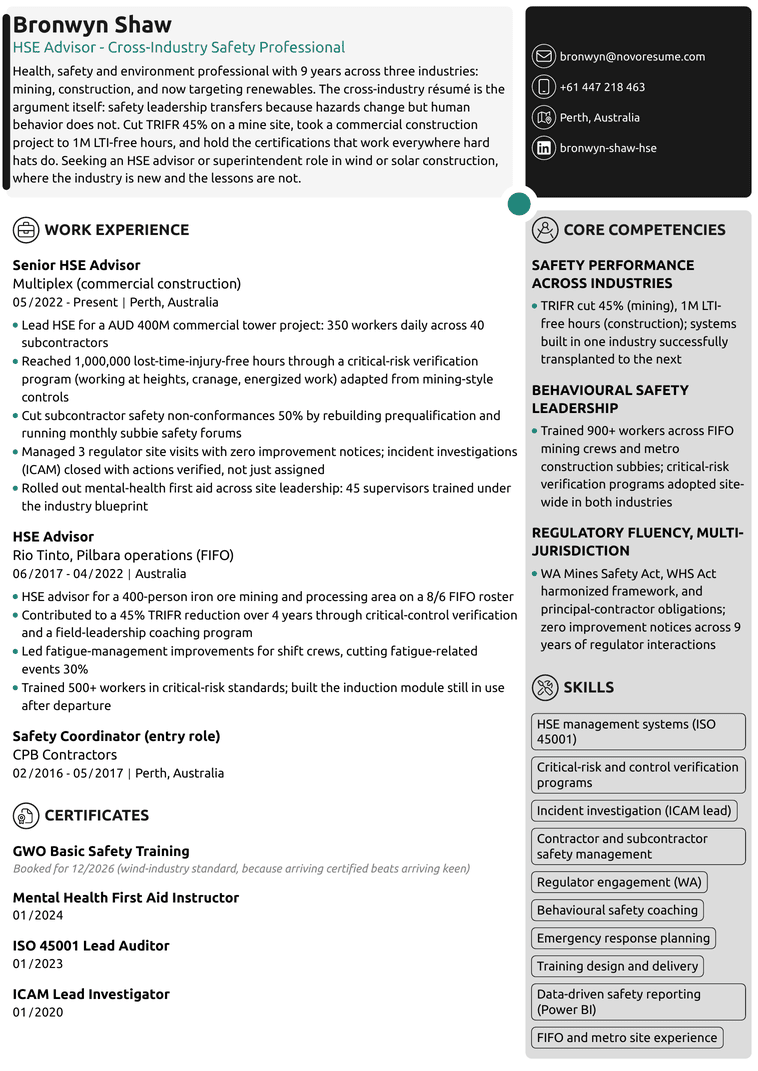
Start with format. Use combination format in almost every case. The skills block at the top surfaces your transferable capabilities before the reader encounters past job titles. The work history below confirms the experience is real. This balances the two stories without either burying the other.
The summary is where the career change happens explicitly. In three to five sentences, name your past industry, name your target role or industry, and name the specific skills that bridge the two. Add one signal of commitment (a recent certification, a side project, a course). Then rewrite the work history bullets in the language of your target industry. The actual work doesn't change, but the framing does. A sales bullet rewrites into a customer success bullet. A teaching bullet rewrites into an instructional design bullet. Add a section for recent professional development that signals you've invested in the new field.
The cover letter does the heavy lifting on the why. The CV's job is to make the case that your skills transfer; the cover letter's job is to explain the motivation. Submit both.


