























How Is a Chronological CV Structured?
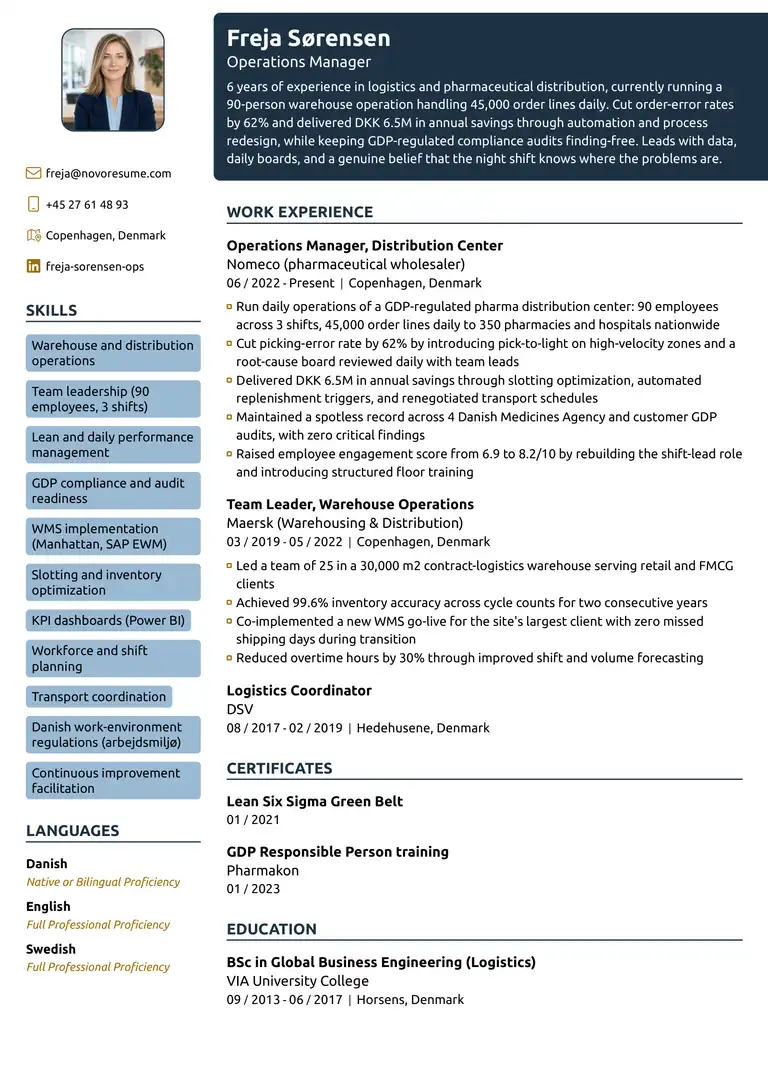
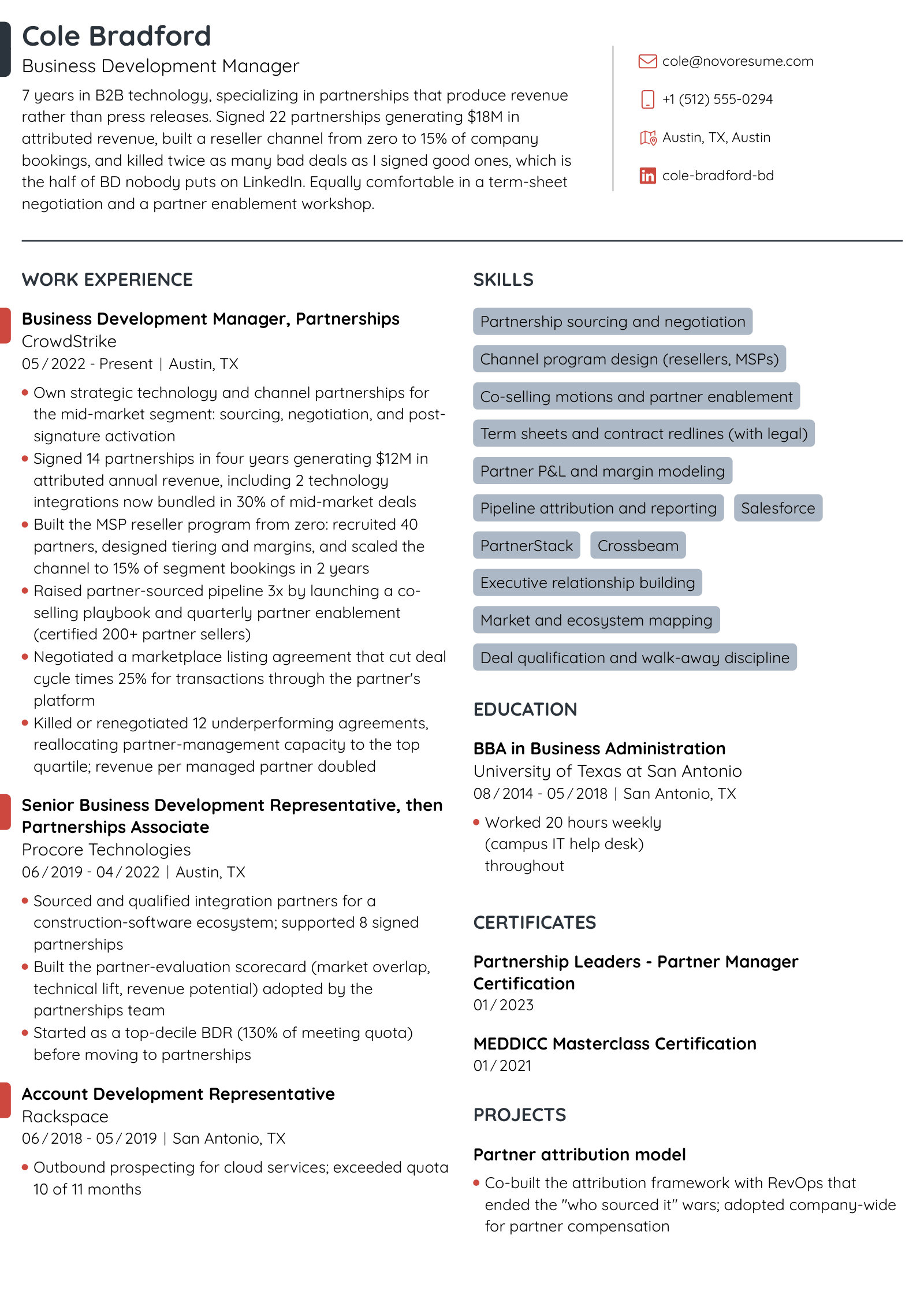
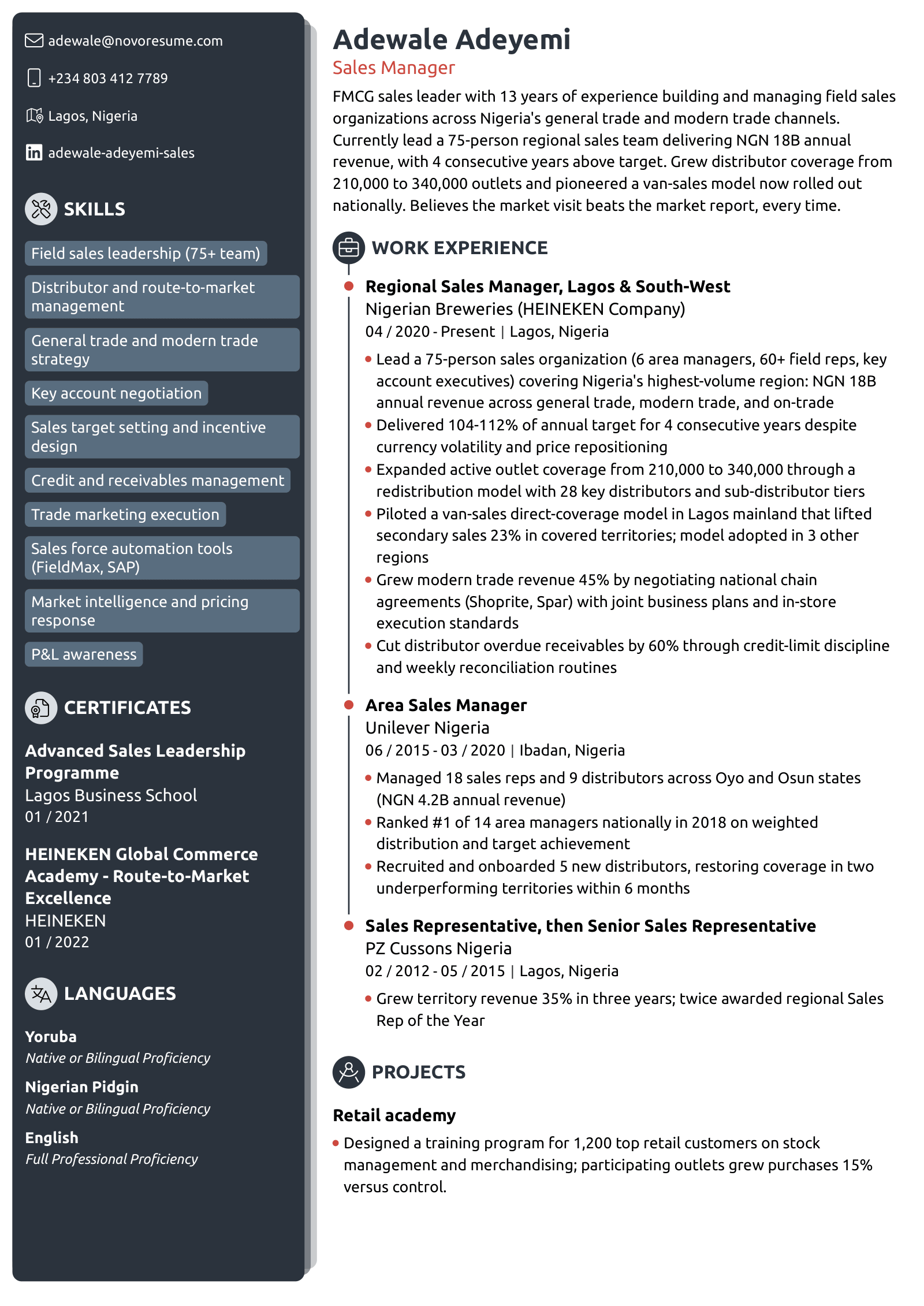
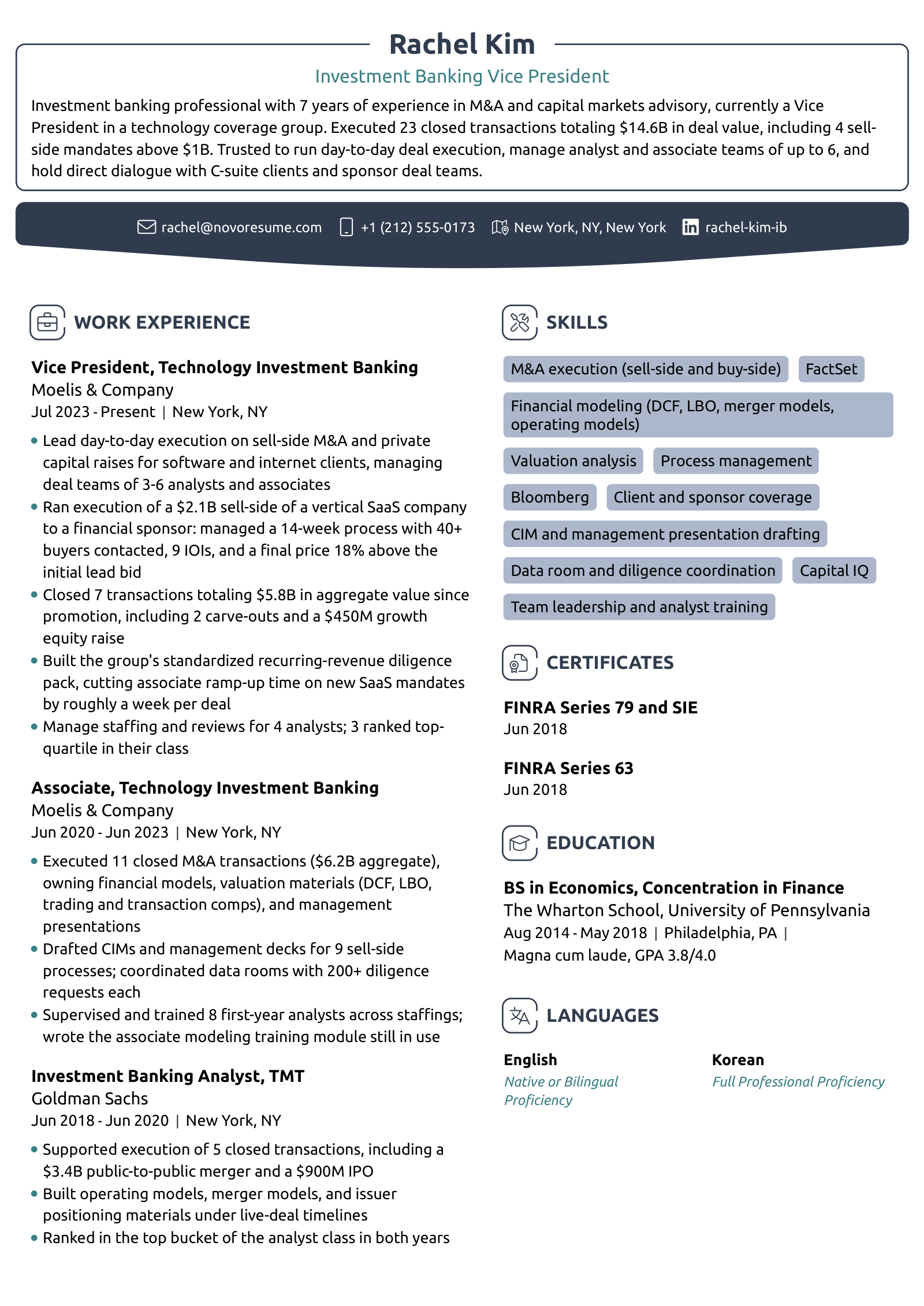
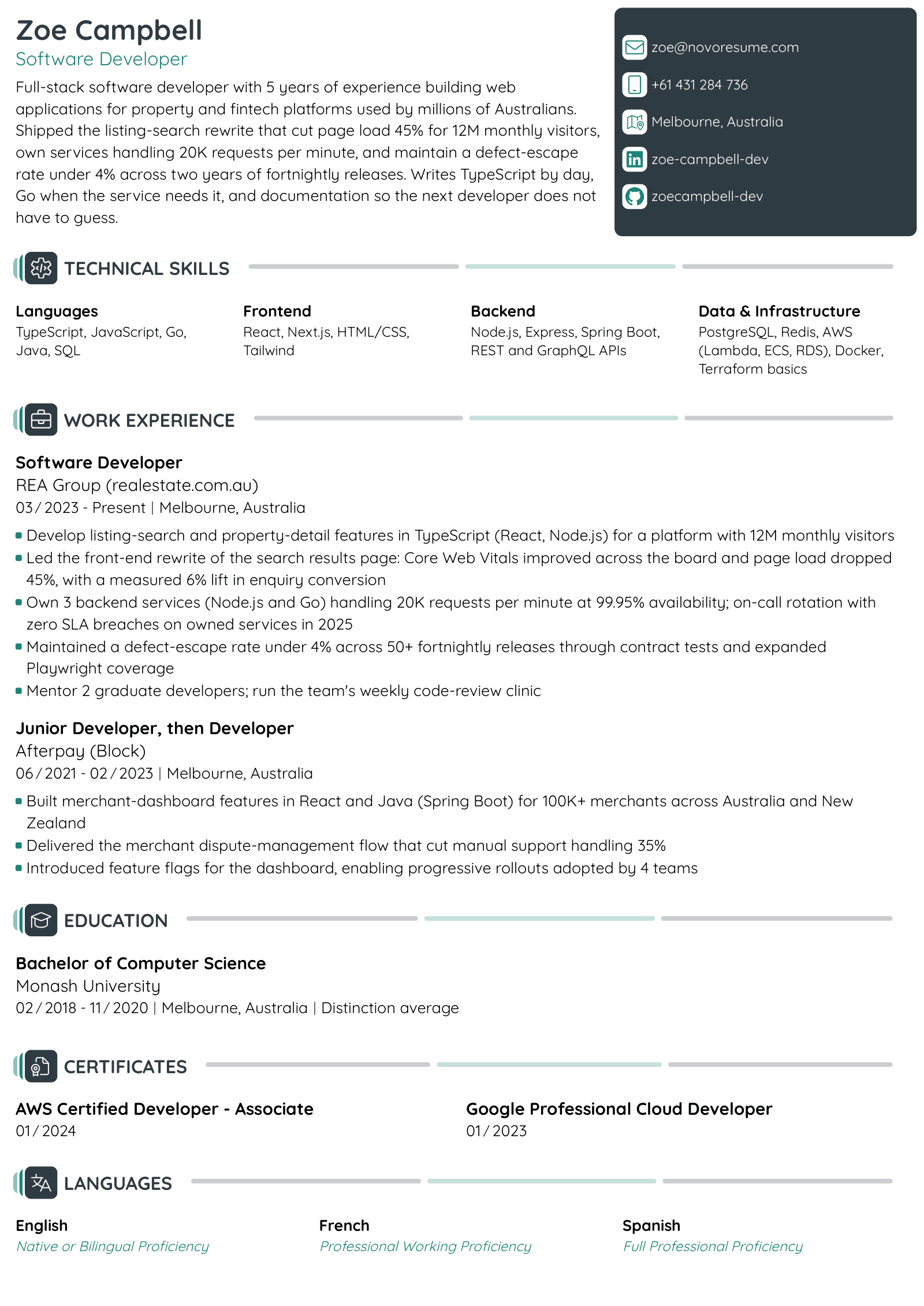
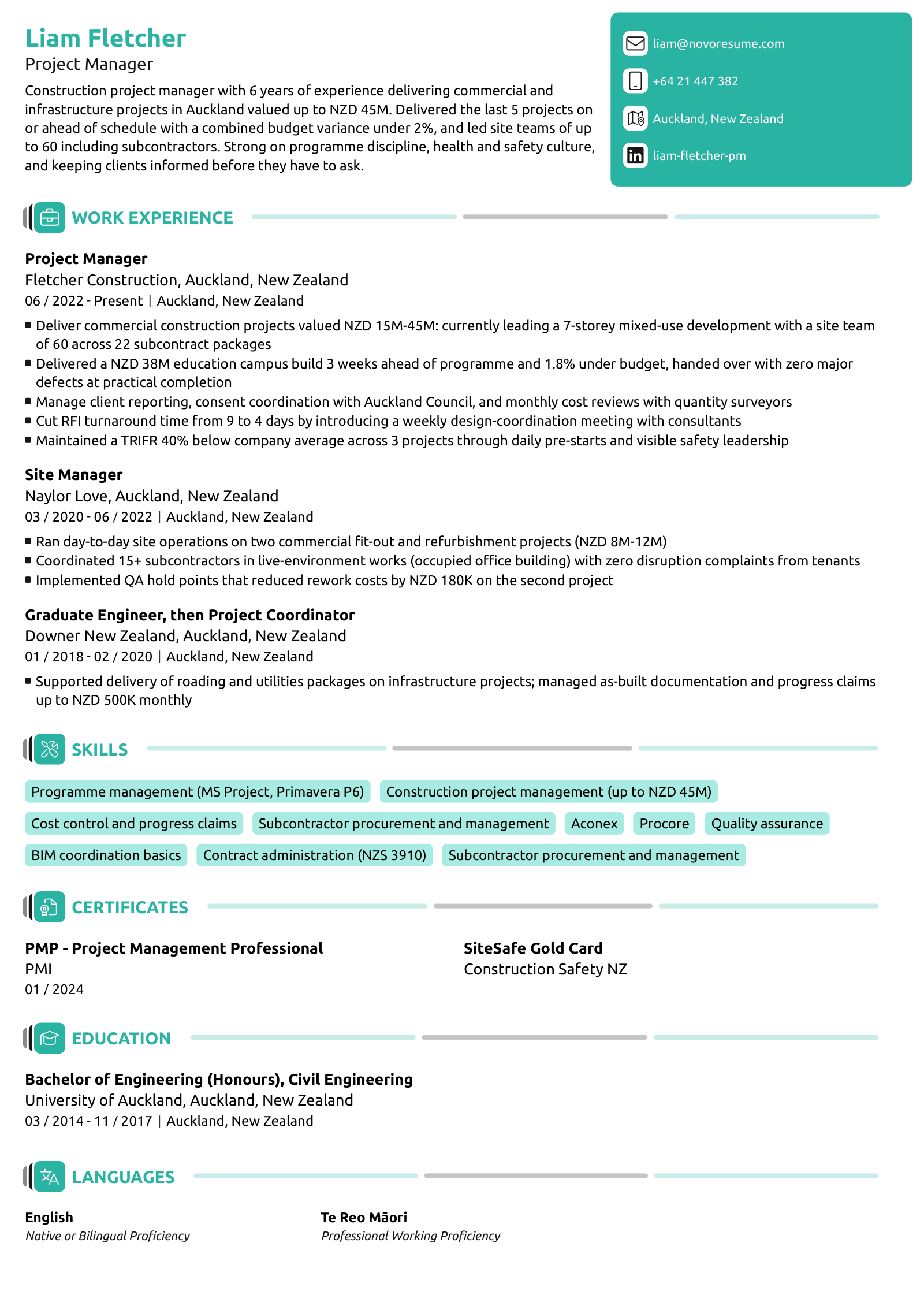
A reverse-chronological CV lists your work history newest-first, so your current or most recent role sits at the top. It's the most widely recognised structure, and the one nearly every recruiter and applicant tracking system is built to read. That familiarity is the format's whole advantage: nothing slows the reader down.
It also matches how recruiters actually read. 79.4% of hiring managers go straight to the work experience section first, according to our HR Survey, and this format puts your strongest, most recent role exactly where that first look lands.
The standard section order:
1. Contact details
2. Personal statement (3 to 4 lines, tailored to the role)
3. Work experience, newest first
4. Education
5. Skills
6. Optional extras: certifications, projects, volunteering
And the rules for how far back to go:
- Cover the last 10 to 15 years, or your most recent five or six roles, in full detail
- Condense older positions to job title, employer, and dates
- Drop anything that no longer supports your case
- Recent graduates flip education above work experience


